
Our Story

1898
1910
BIG RELOCATION
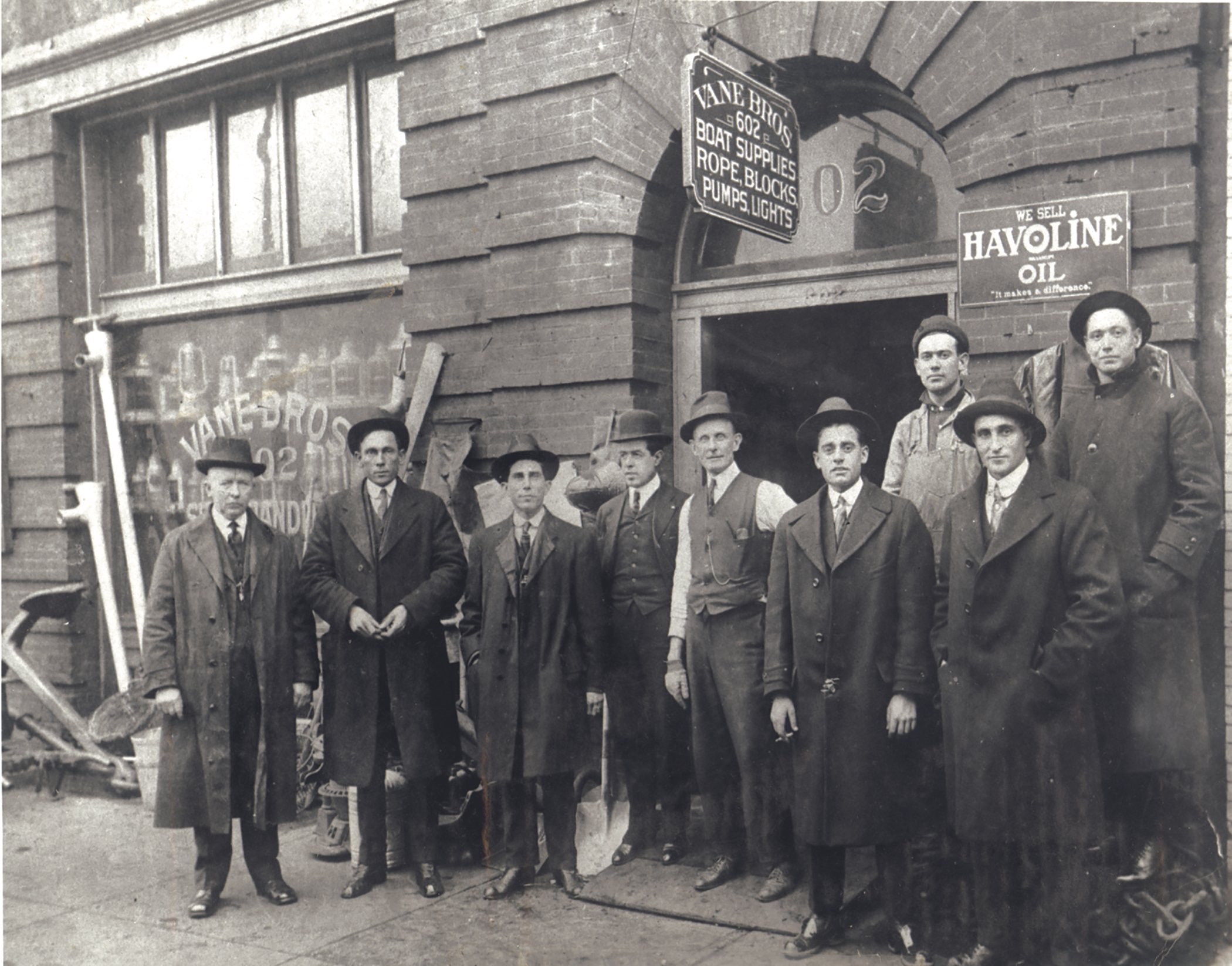
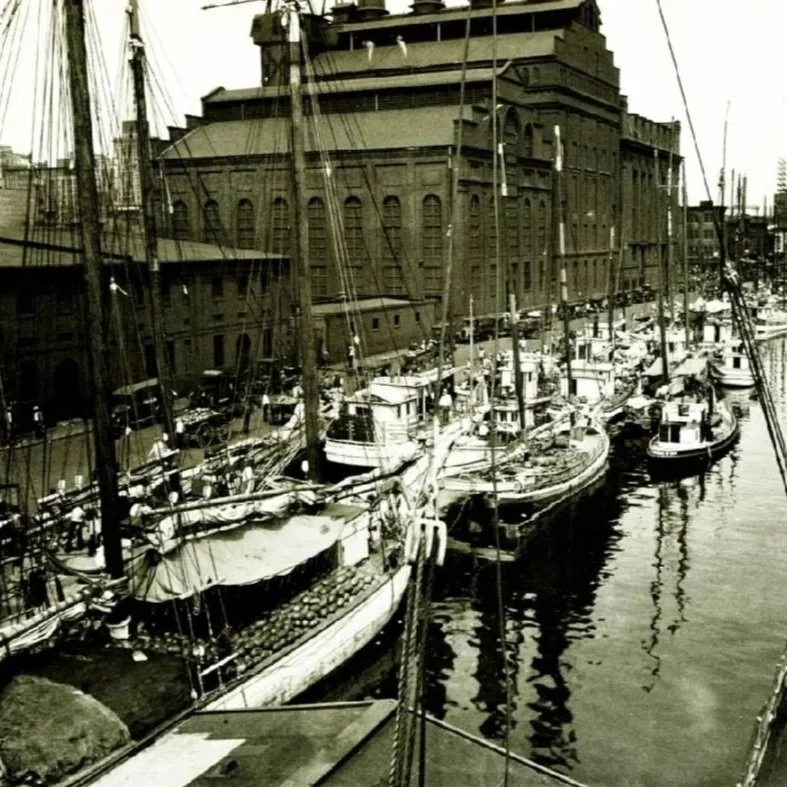
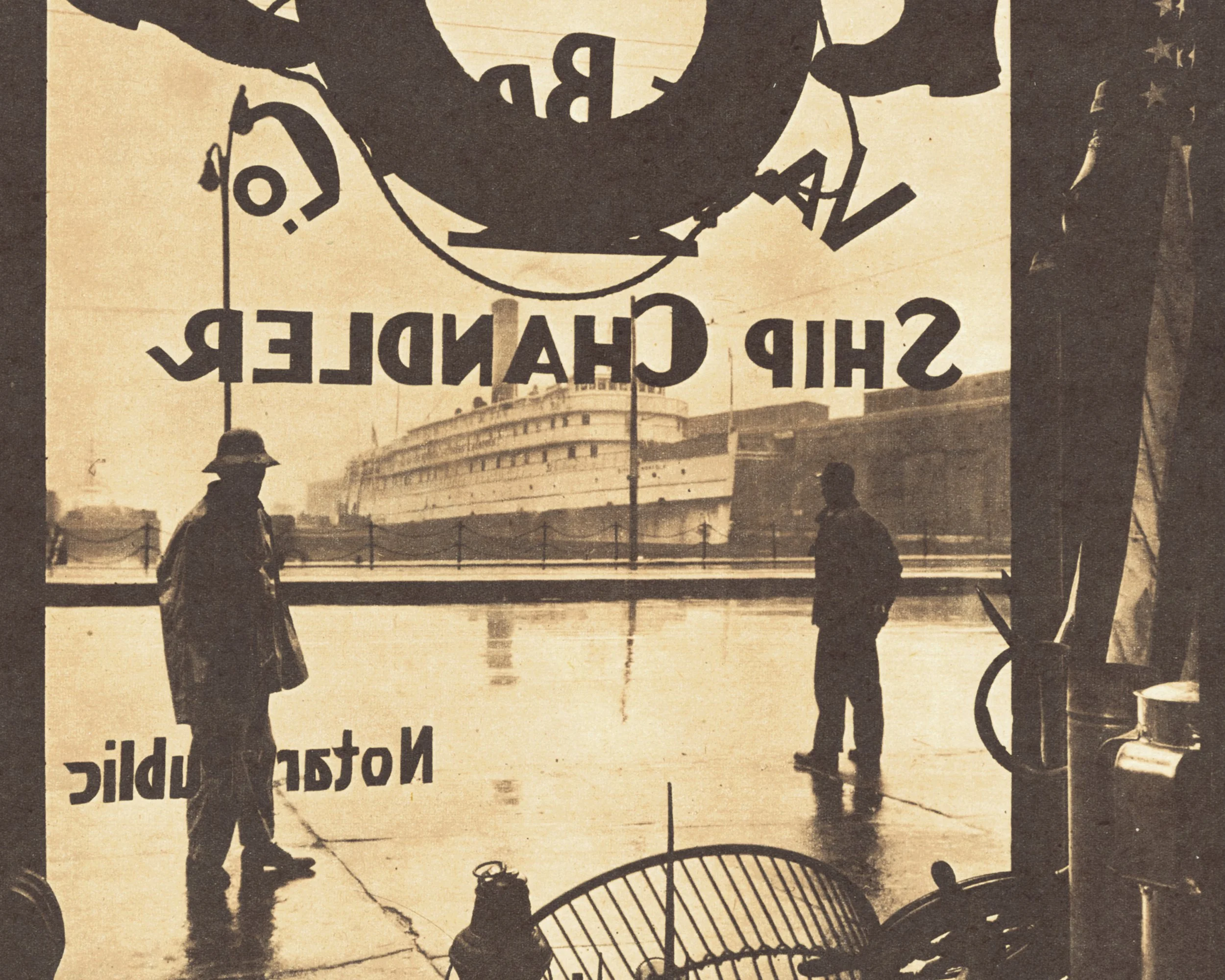
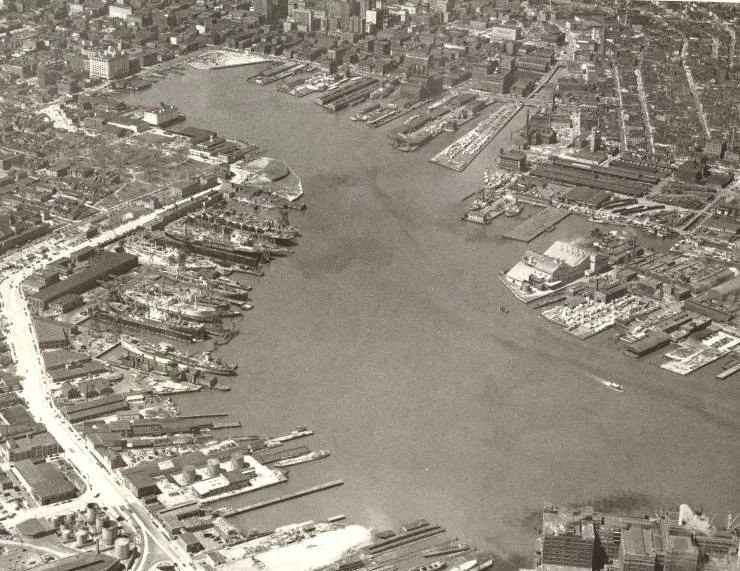
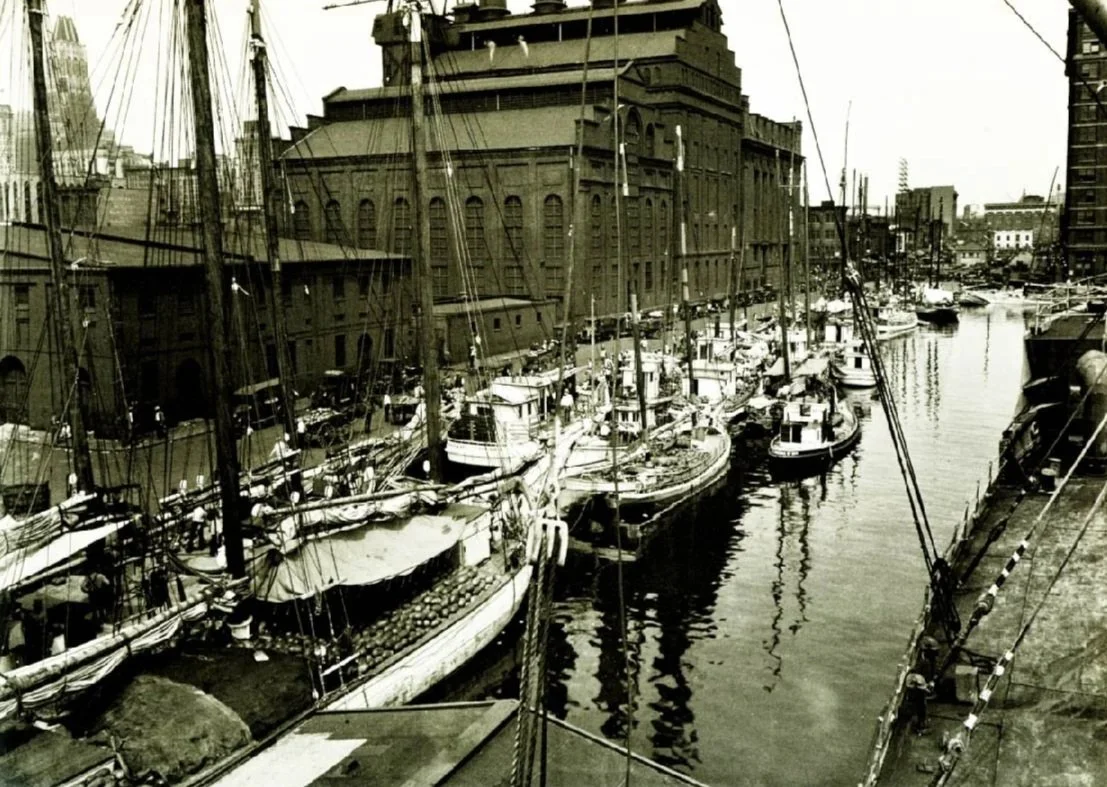
The Vane Brothers business is doing well enough to warrant a move from Fell's Point to a larger facility on East Pratt Street, which is at the very center of the Baltimore shipping trade. From their vantage point, the Vane brothers have a clear view of vessels entering the deep-water port.
OPEN FOR BUSINESS
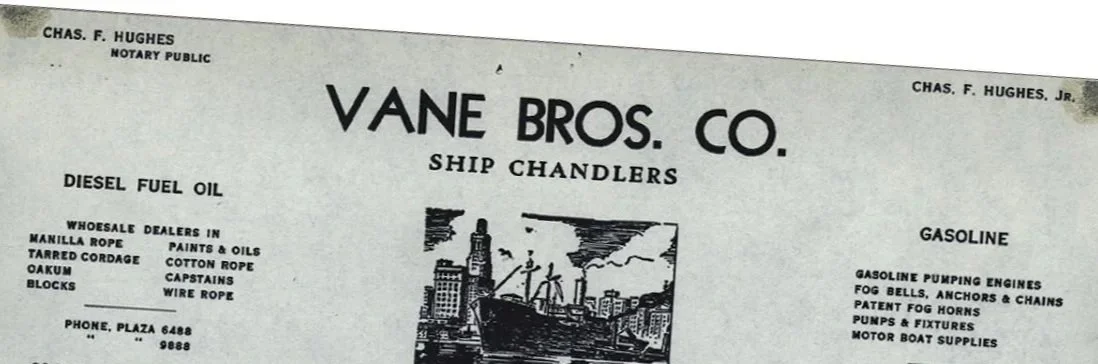
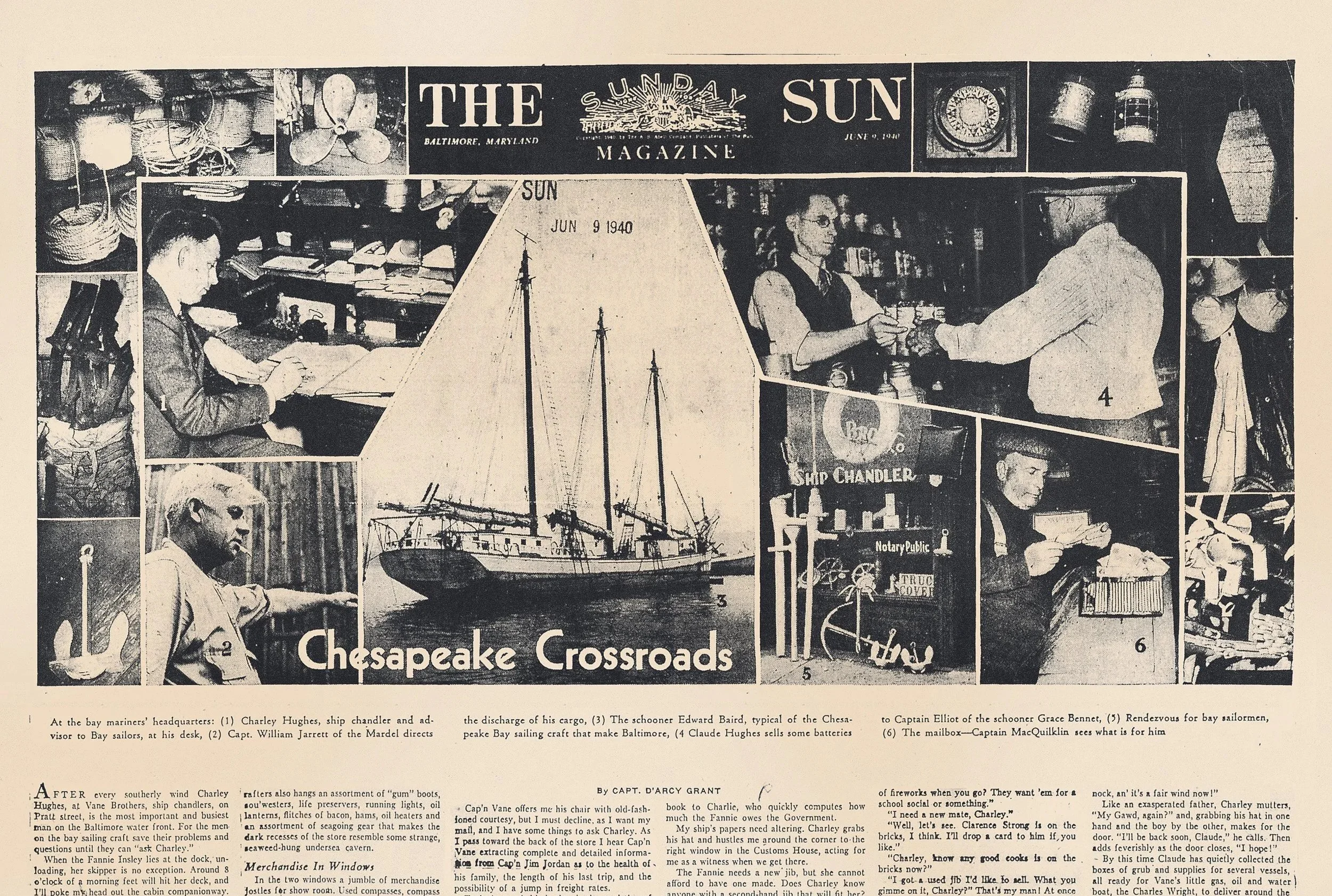
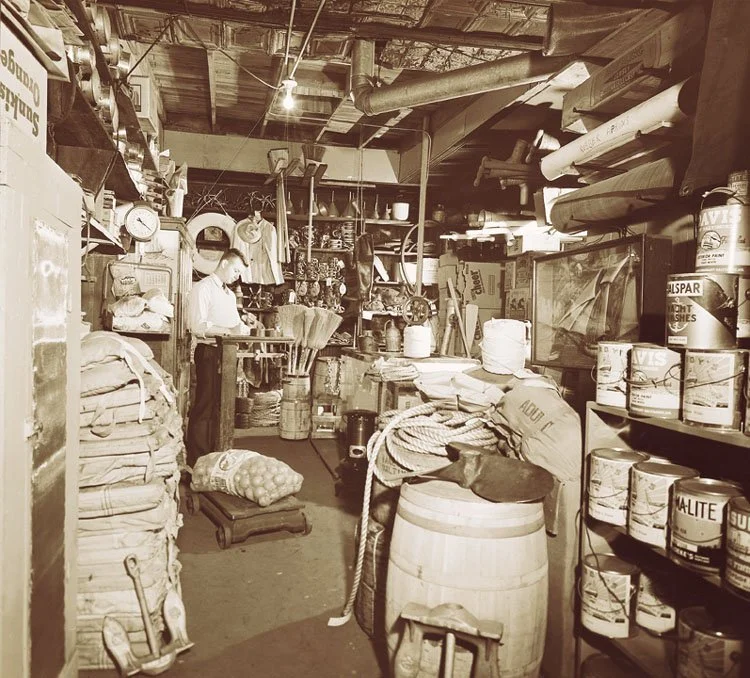
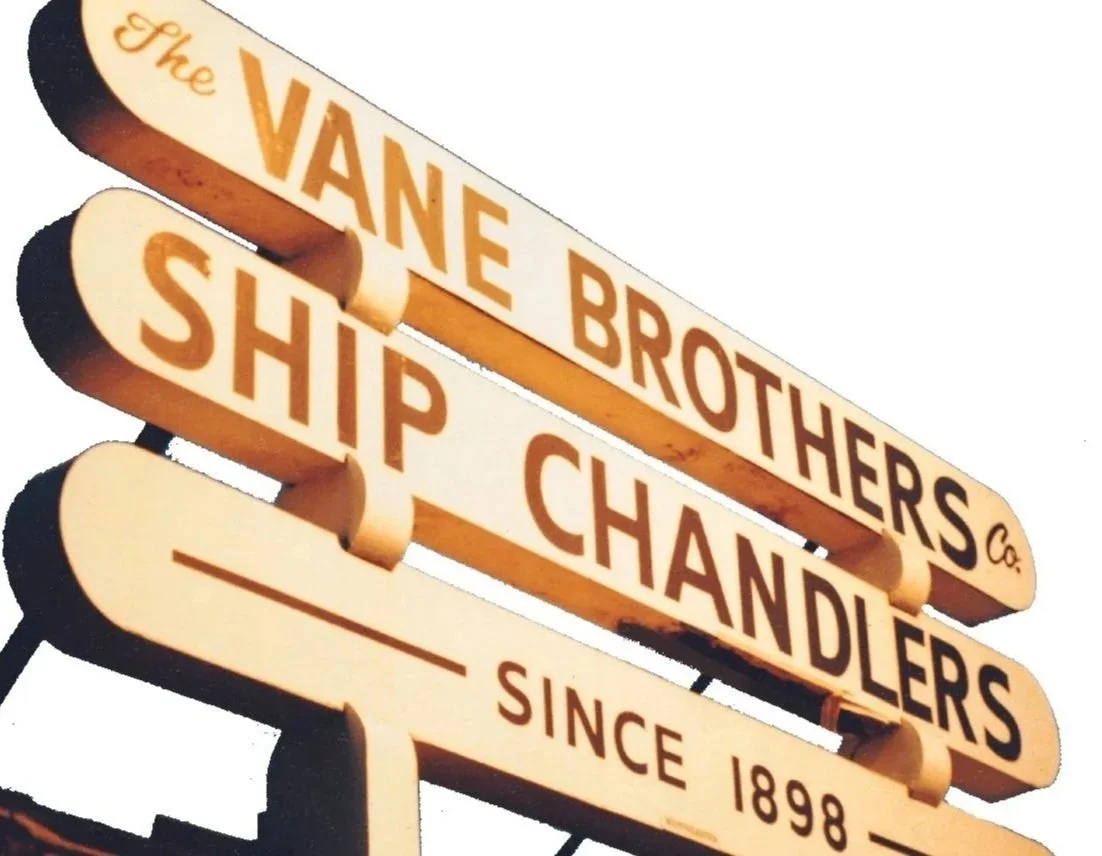
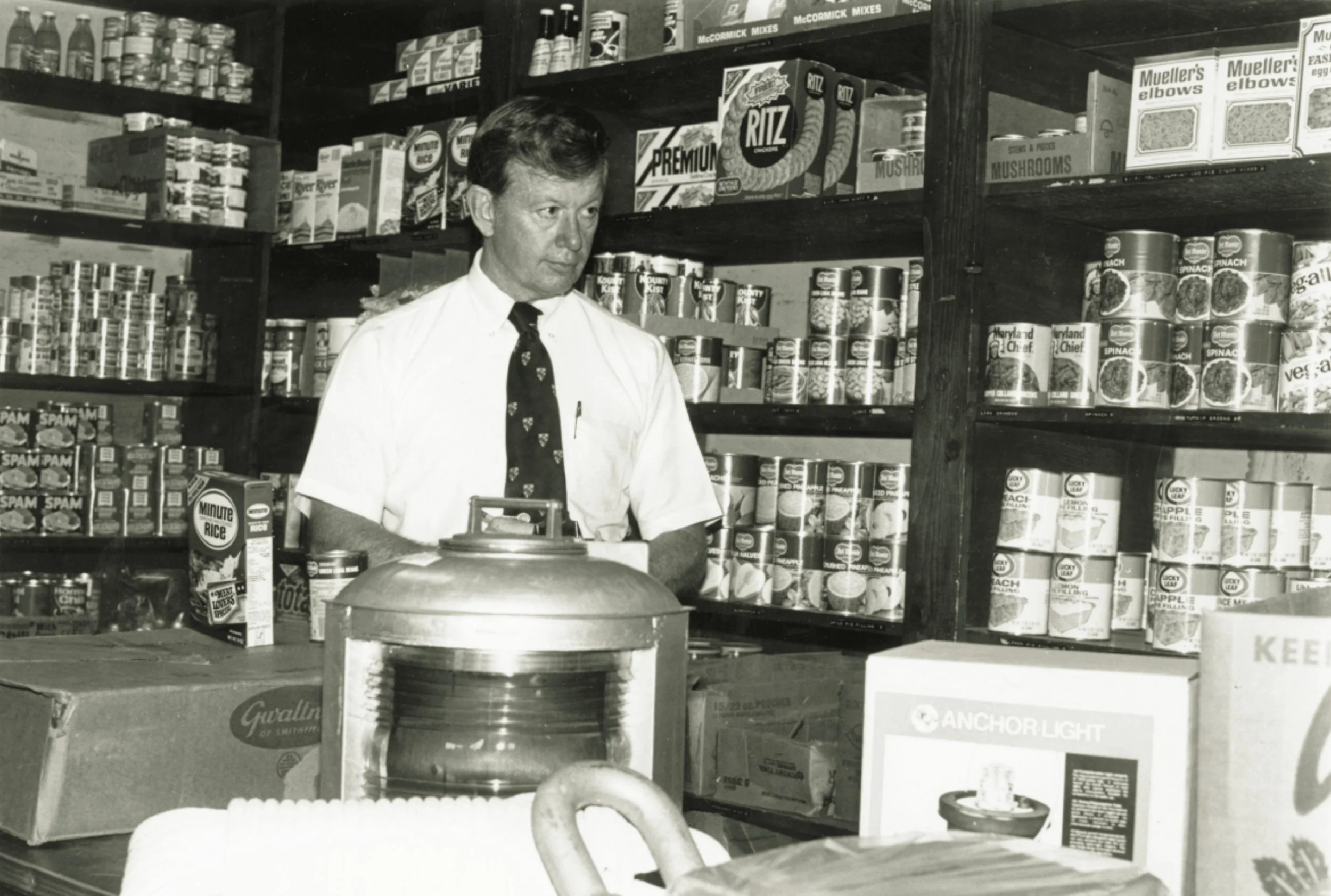
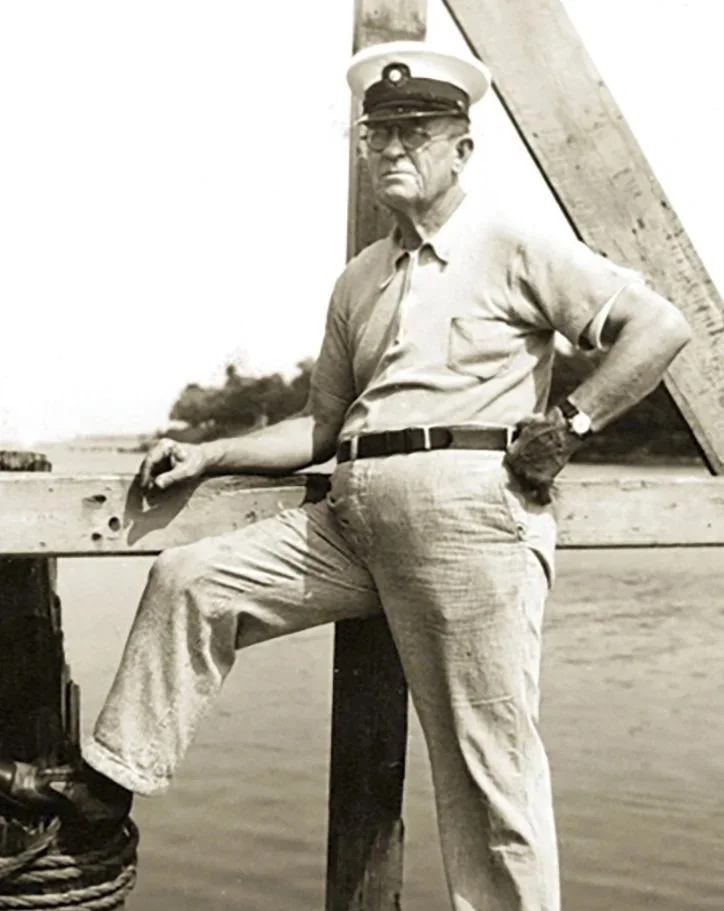
Schooner Captain William Burke Vane and his older brother, Allen, come ashore in Baltimore to launch a ship chandlery. Their two-story brick building in Fell's Point becomes a one-stop shop, providing food and other supplies for working vessels docked in the area.
MARRIED TO THE SEA?
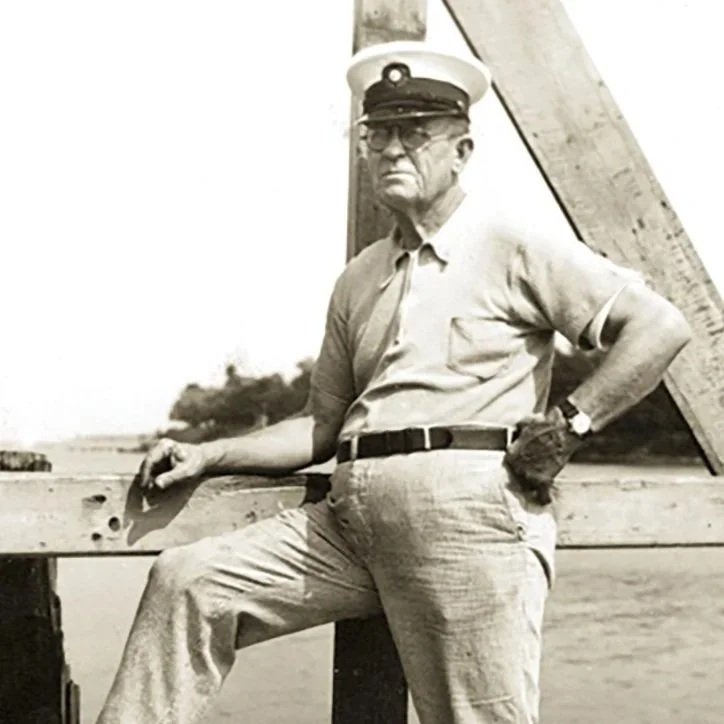
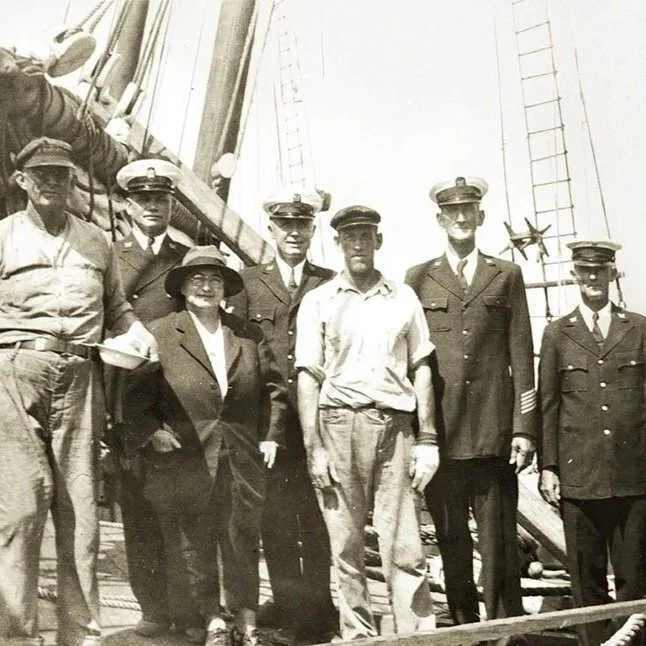
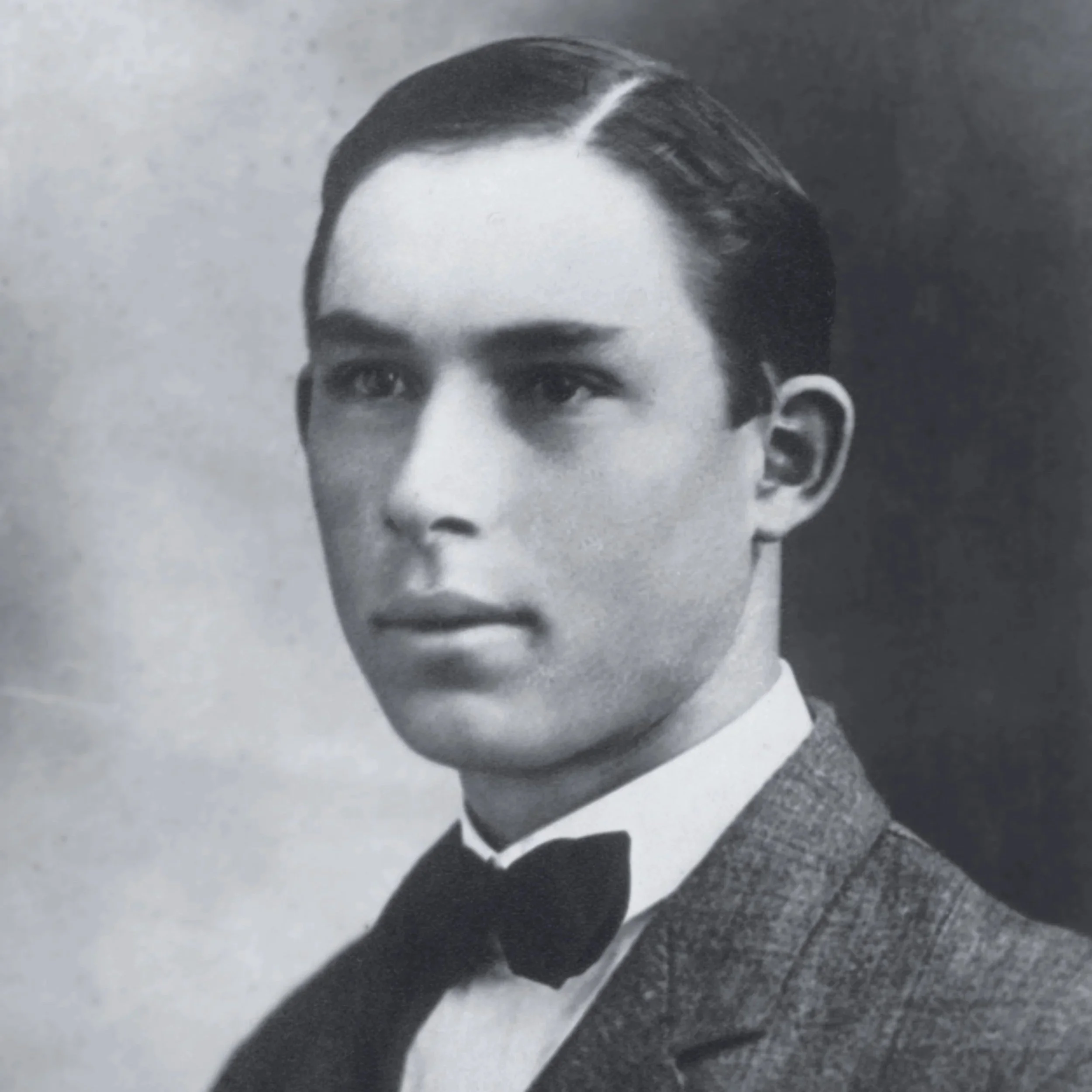
Claude Venables Hughes, a sailor considering marriage, wants to come ashore. He asks Captain William Burke Vane, a distant cousin of the Hugheses, if Vane Brothers has any openings. As the story goes, Claude sells his boat, ties the knot, and joins the company all within six months.
SHIPBUILDING VENTURE
Vane Brothers branches out with the purchase of J.S. Beacham and Brothers Shipyard at the foot of Federal Hill. Together with their partner in the acquisition, John Carroll Redman, they launch the Redman-Vane Shipbuilding Company to handle sailing vessels and steamers.
1917
1920
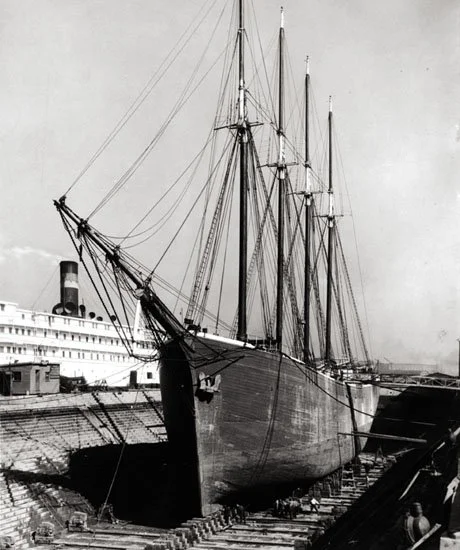
WELCOME, DORIS HAMLIN
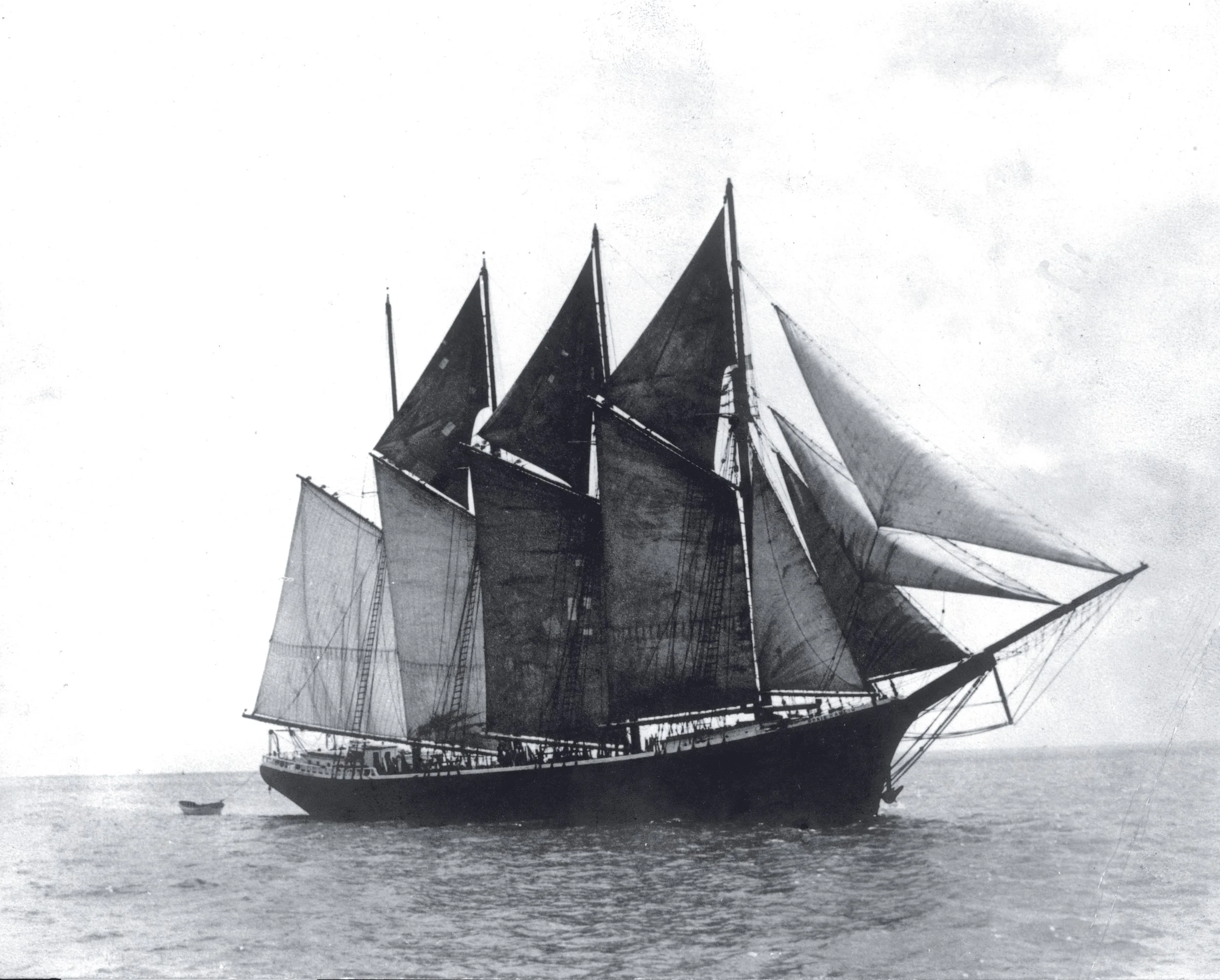
The Vane Brothers vessel Doris Hamlin is chartered by a group of undergraduate students that includes L. Ron Hubbard, later to become the founder of the Church of Scientology. Sold in 1939, the schooner is lost at sea in early 1940, presumably sunk by a German U-boat.
ANOTHER SET OF BROTHERS
Claude Hughes convinces his younger brother, Charles, to join the business. Having just completed two years in the Air Corps, Charles plans to study law, but he is soon swept up in the speculative dealing that characterizes Captain William Burke Vane’s entrepreneurial business style.
1921
1924
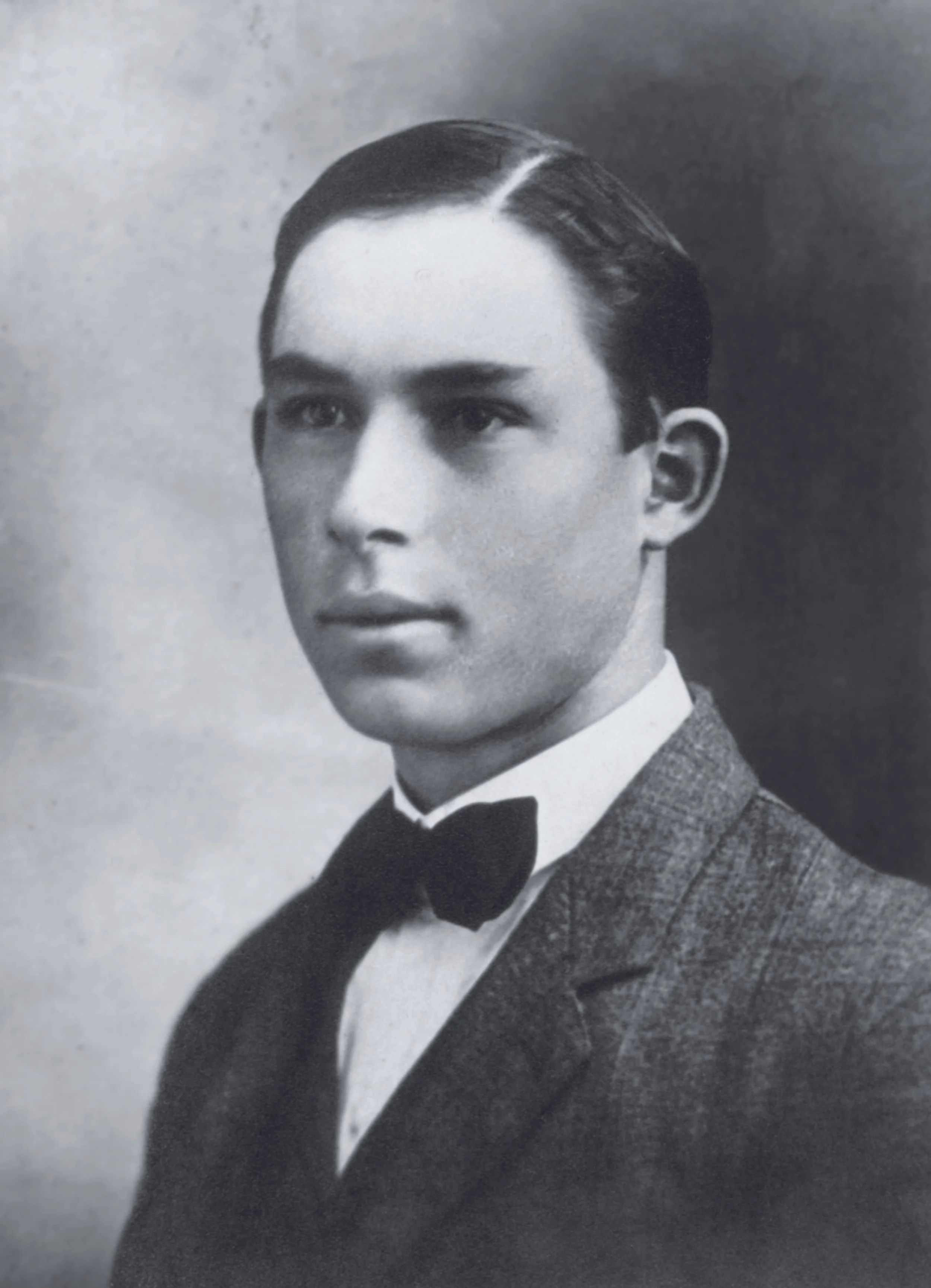
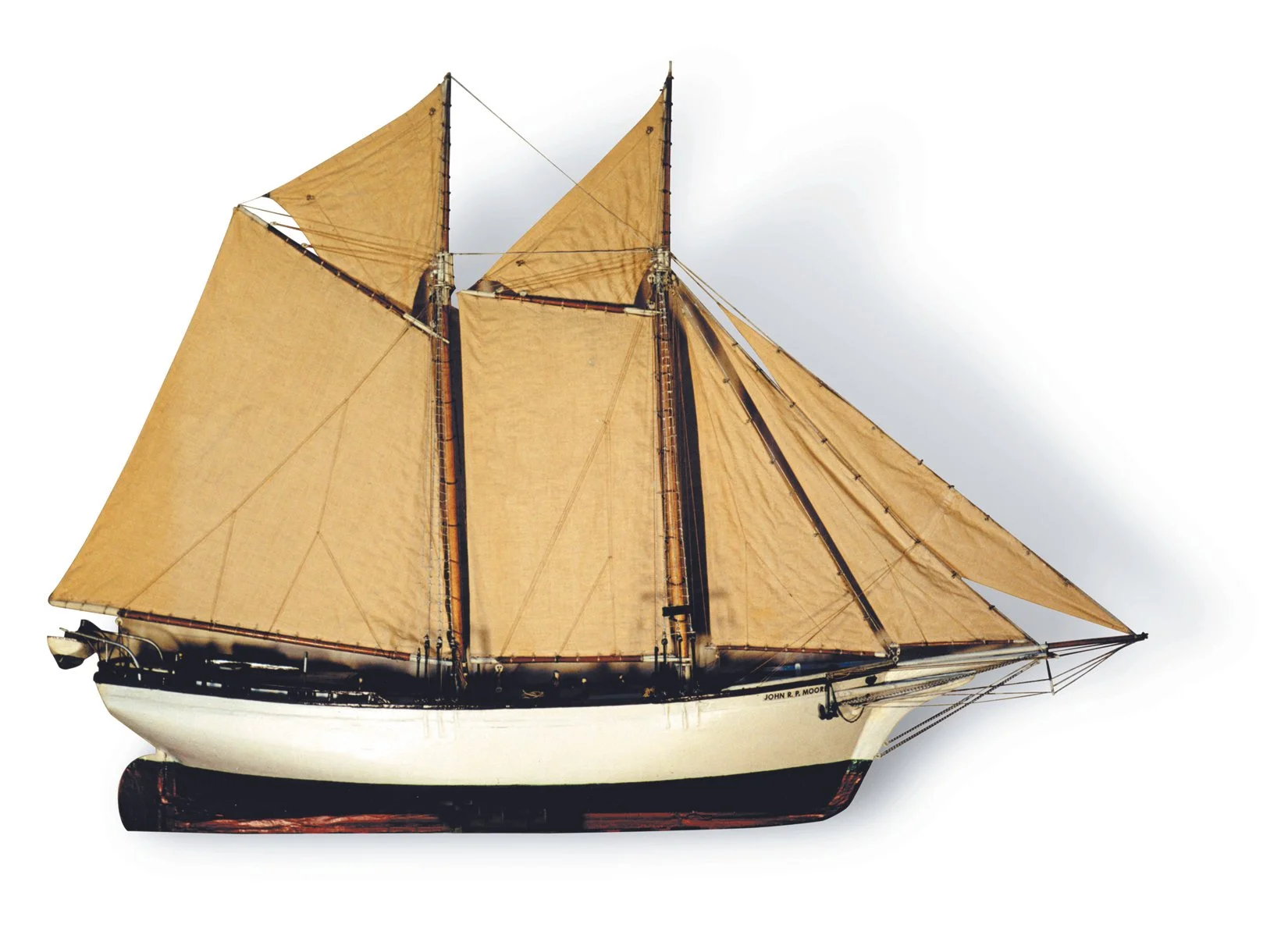
More, More, Moore!
Charles Hughes has an opportunity to purchase a share of the John R. P. Moore, a two-masted schooner. With Captain William Burke Vane’s endorsement, Charles secures a bank loan to finance the investment. In two years' time, the bank loan is repaid and the partnership and friendship between Captain Vane and the Hughes brothers is cemented.
KOHLER JOINS FLEET
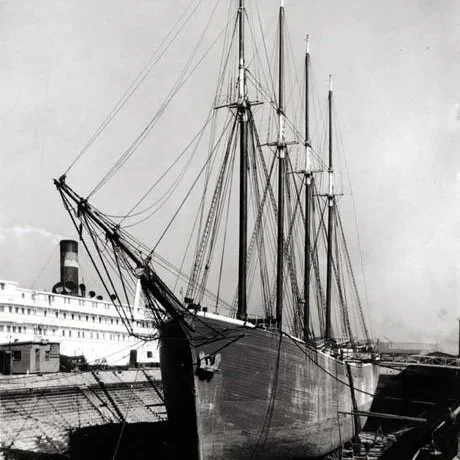
Captain William Burke Vane takes on part ownership of the four-masted schooner G. A. Kohler, which mostly carries coal from Virginia to the Caribbean, and then takes on logwood (for the production of dye) in Haiti. In 1933, the schooner is beached on Cape Hatteras during a hurricane.
1929
1931
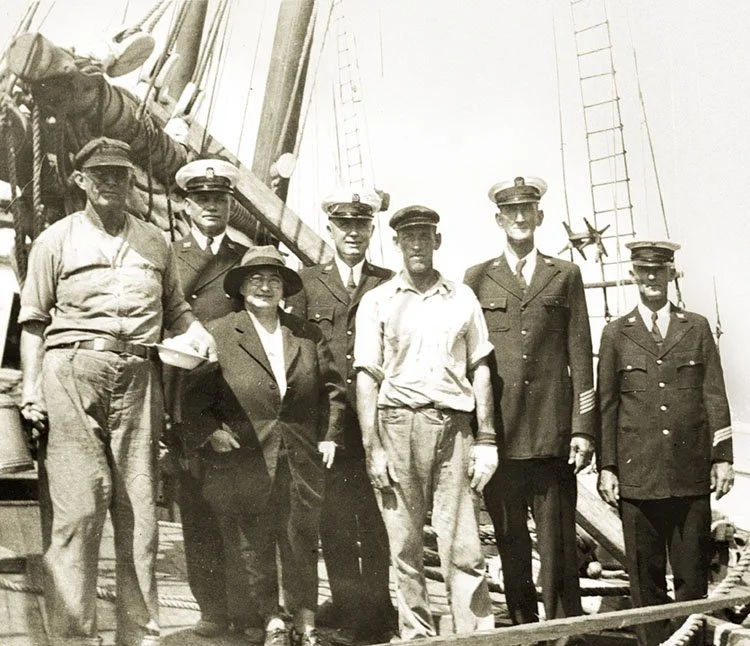
HOLDING ON
The company perseveres through the Great Depression despite losing 90 percent of its bank-held money. With the start of World War II, the chandlery becomes very busy once again. The small tanker Hughes Bros. is kept especially busy supplying galley oil to Liberty ships.
BACK TO THE POINT
Charles Hughes Jr. convinces his father to move the company from Baltimore’s increasingly congested Inner Harbor area back to Fell's Point. The new location, next door to where the Vanes established their first shop, offers more space and has its own dock.
TRANSITION OF OWNERSHIP
A few days after the passing of Allen P. Vane, 77-year-old Captain William Burke Vane sells his remaining company shares to the Hughes brothers, Claude and Charles. Captain Vane, however, continues to visit the chandlery and denies that he has retired!
ALL IN THE FAMILY
Charles Hughes’ son, Charles Jr., joins Vane Brothers after graduating from Johns Hopkins University with a degree in Philosophy. Meanwhile, Claude Hughes retires at the age of 64 having spent 31 years with Vane.
1951
1958
1941
1939
DIVERSIFICATION
Charles Hughes Jr. recognizes that the company cannot survive solely as a ship chandlery. Looking for ways to diversify, he focuses on the tanker trade that Vane Brothers has already been cultivating .
CAPTAIN RUSSI ON BOARD
Vane Brothers welcomes Captain Russi Makujina, a master mariner with vast international experience. Seven years earlier, a longshoremen's strike stranded Captain Russi, his wife and two of his children in Baltimore aboard a Pakistani ship. The Hugheses and Makujinas became close friends.
DUFF ON THE DUFF
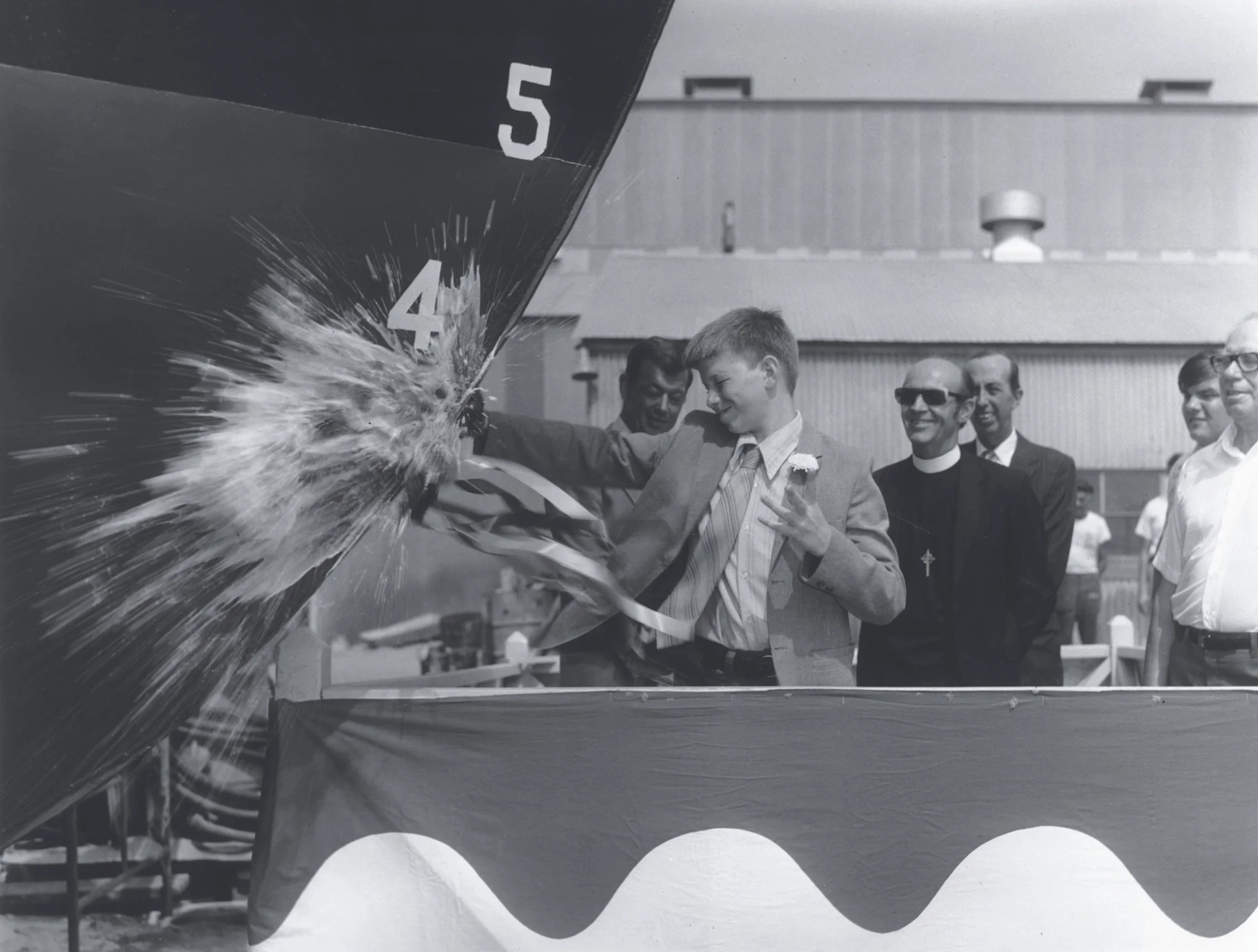
Vane Brothers commissions a 42,000-gallon tanker to gamble in the expanding gas oil business. Built at a cost of $80,000, the new motor tanker is named Duff for Charles Jr.’s son, 13-year-old Charles Duff Hughes. Duff ships out as a galley boy on the Duff’s maiden voyage.
CHARLES JR. IN CHARGE
Charles Hughes Jr. becomes Vane Brothers President. Rather than formally retire, Charles Sr. still works closely with his son, but is more often found “out in the garden” tending to a vegetable patch on a disused section of the company's pier.
1971
1960
1972
1974

FUELING UP
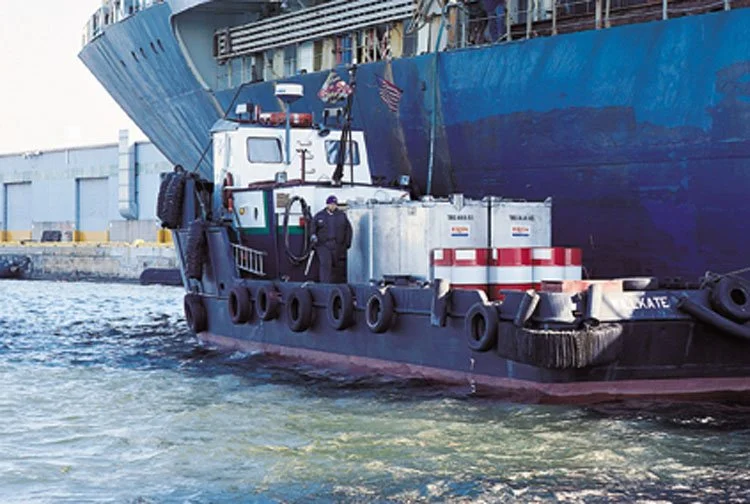
Vane Line Fuel is established to expand fuel deliveries beyond the harbor. The division quickly grows to provide more than a million gallons of diesel fuel every month. One year later, Vane Brothers acquires the Marine Launch Company and adds two vessels, including the Willkate.
EAST COAST EXPANSION
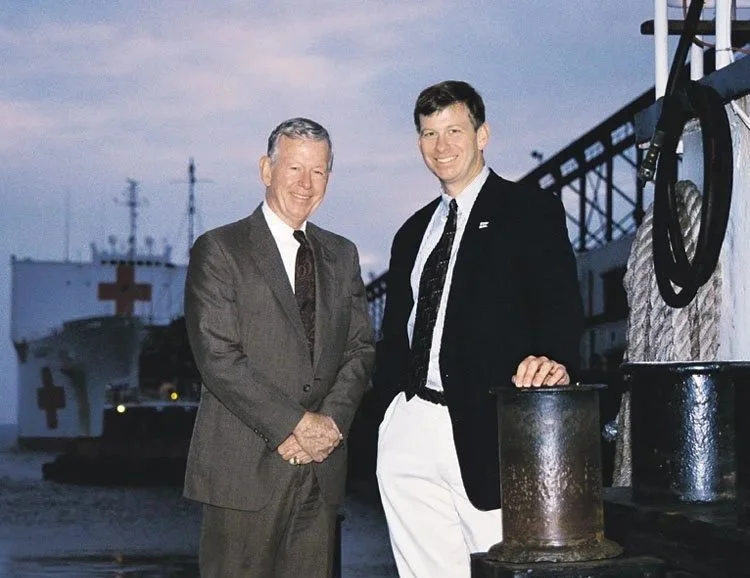
C. Duff Hughes becomes Vane Brothers' President. Having recently established a foothold in Philadelphia, Duff expands into Norfolk, Virginia with the purchase of Allied Towing’s bunkering division. This adds an 800-horsepower tugboat and two bunker barges to Vane's fleet.
NEW HOME IN CANTON
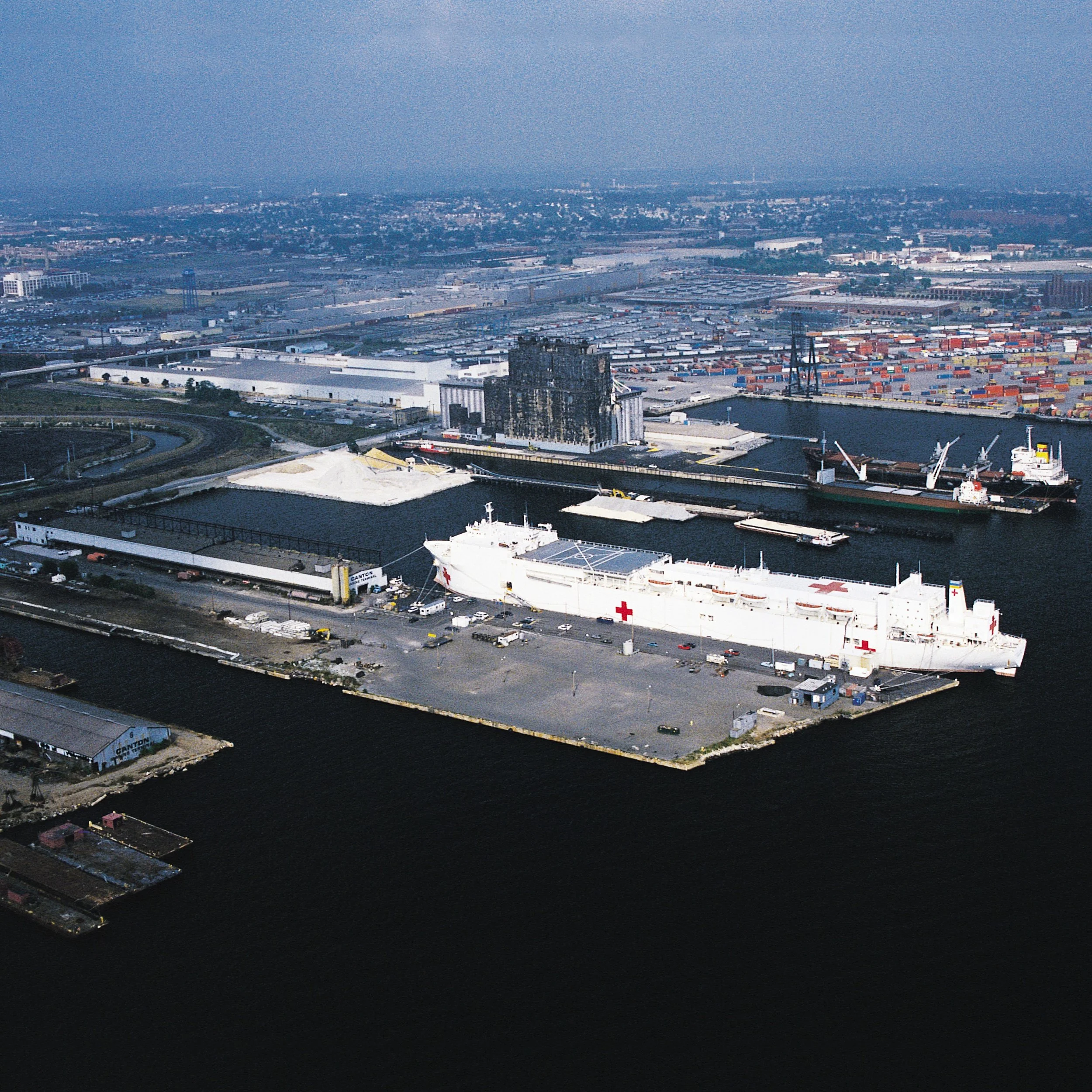
Moving its headquarters from Fell's Point to lower Canton gives Vane Brothers’ 14 employees access to 3,600 feet of deep-water berthing and 160,000 square feet of warehouse space. The company also purchases its first 15,000-barrel, double-hulled, black oil bunker barge.
FIRST TUGBOAT
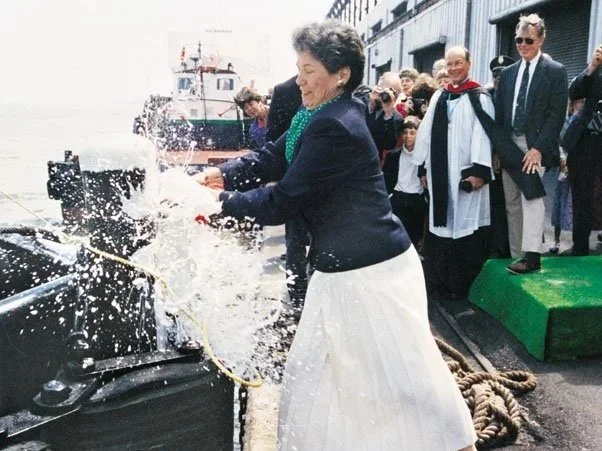
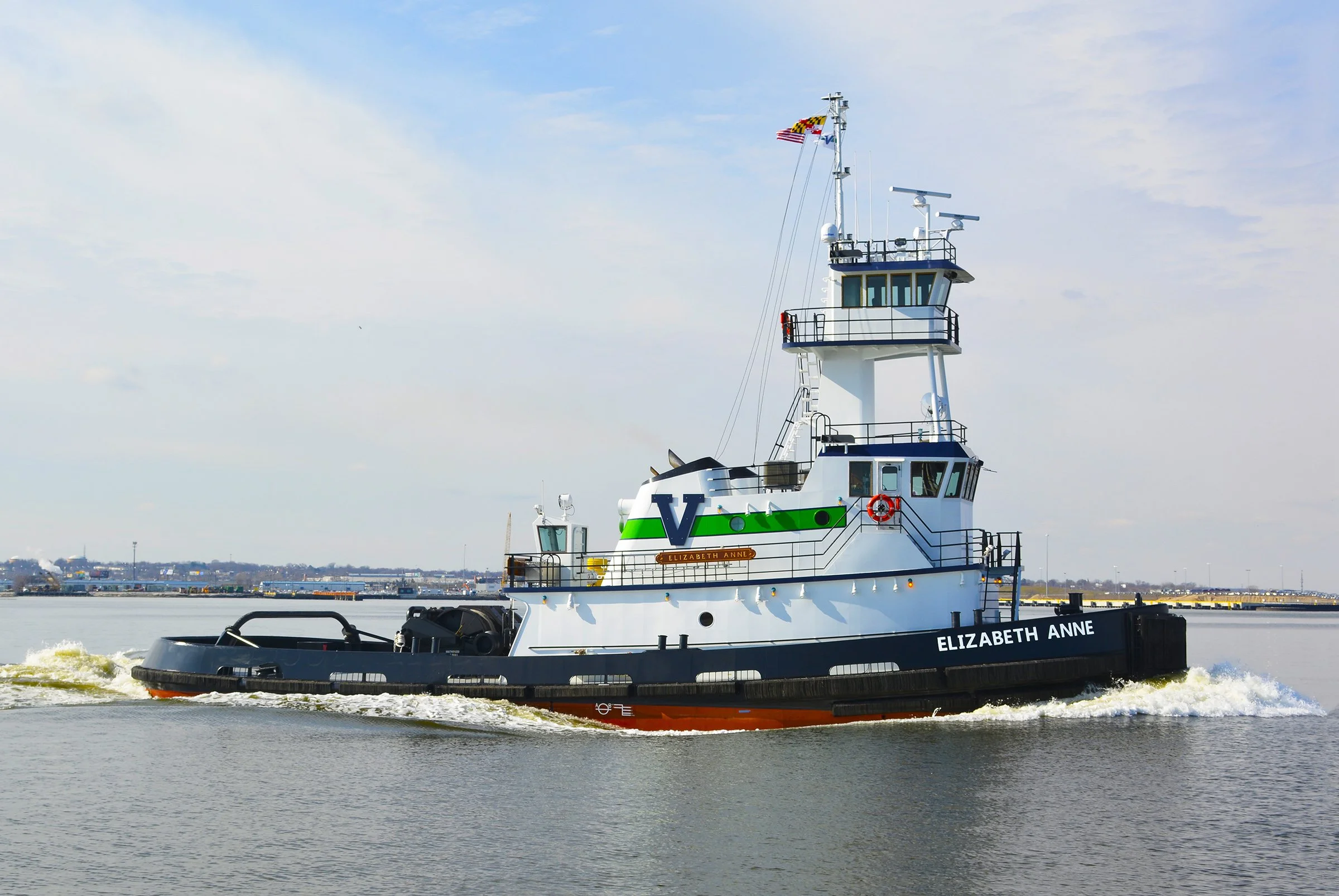
The company christens its first tugboat, the Elizabeth Anne, named for Vane Brothers Vice President Elizabeth Anne “Betsy” Hughes (Charles Jr.’s wife). Piloted by Captain James A. Demske, the tug transports Vane barges, thus reducing the need for outside tug charters.
1987
1985
1990
1991
SAFE AND SOUND
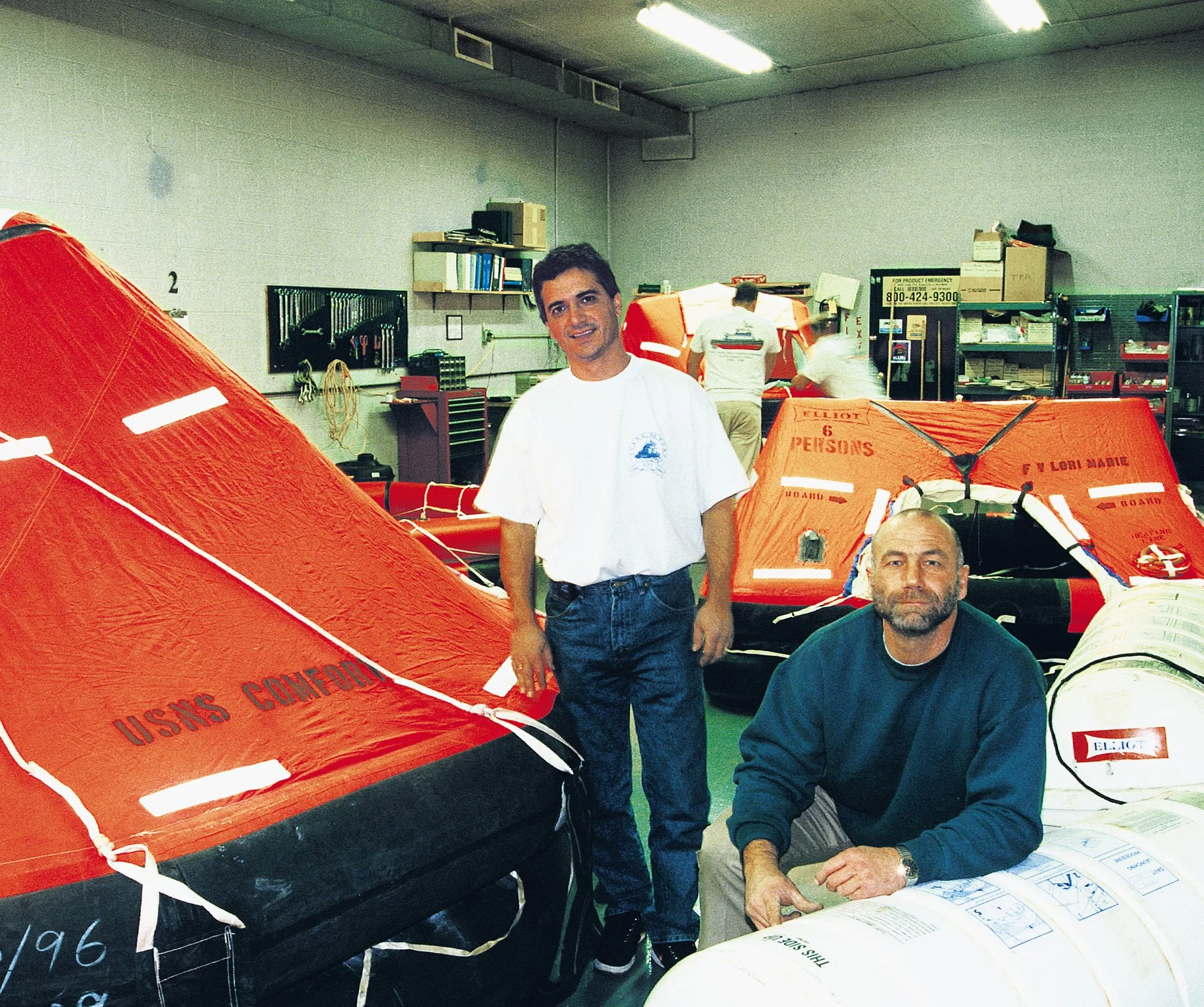
While the company’s bunkering operation continues to grow, Vane Brothers Marine Safety and Services is established as a direct descendant of the Vane Brothers ship chandlery. Starting out as a life raft service and inspection station in Baltimore, VBMSS expands two years later into Norfolk.
A GREAT FIT IN FAIRFIELD
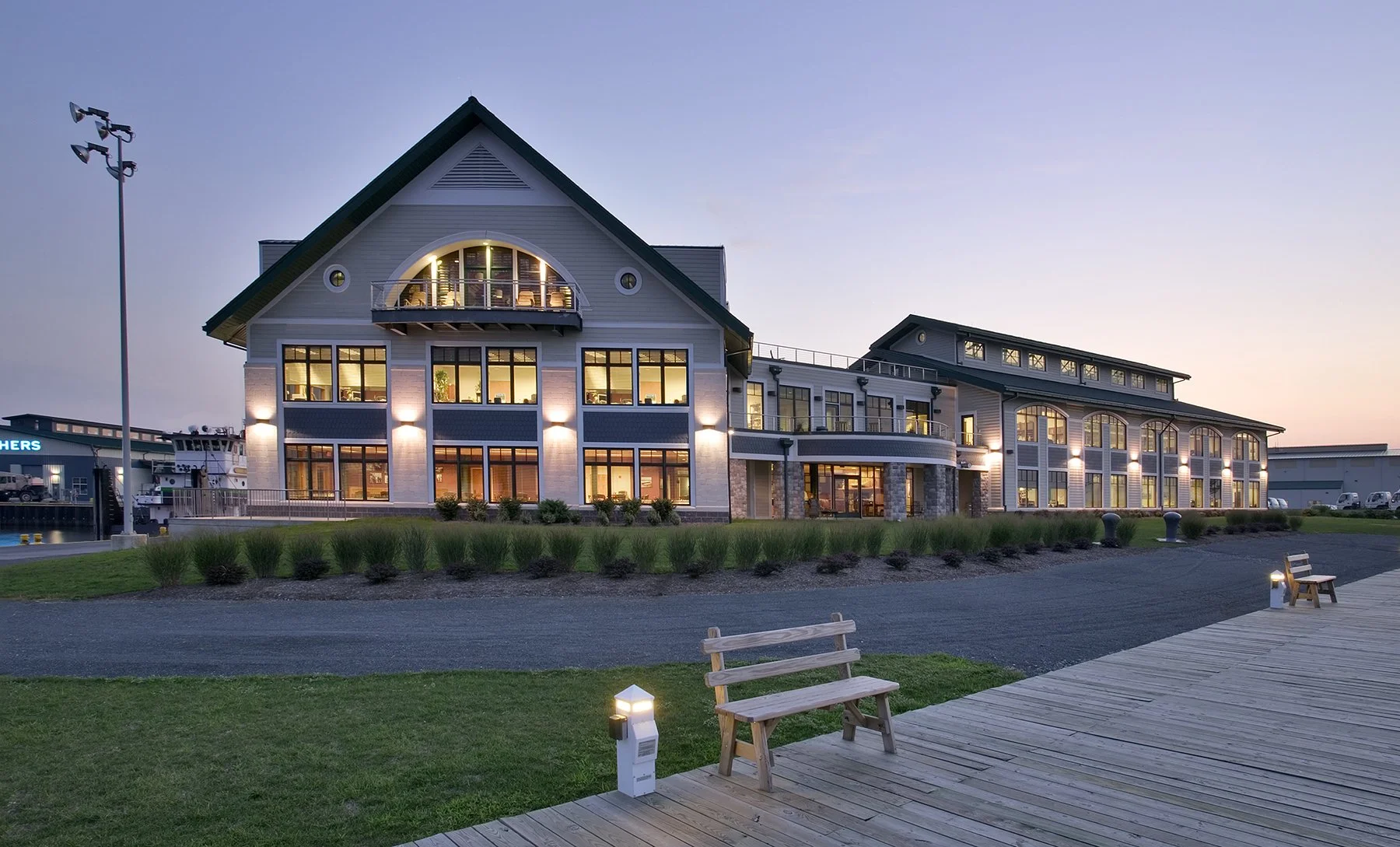
Vane Brothers' beautiful new headquarters opens on the former American Dredging site in Baltimore’s Fairfield area. The campus has a major pier for docking marine equipment; a deep-water slip; warehouse space for lubes; a climate-controlled raft room; a machine shop; and vast office space.
CENTENNIAL CELEBRATION
Vane Brothers throws a hugh party upon achieving 100 years in the maritime industry. The company, with an employee count now approaching 200, is also in the process of building two new 30,000-barrel barges to add to the fleet.
BIGGER BARGES
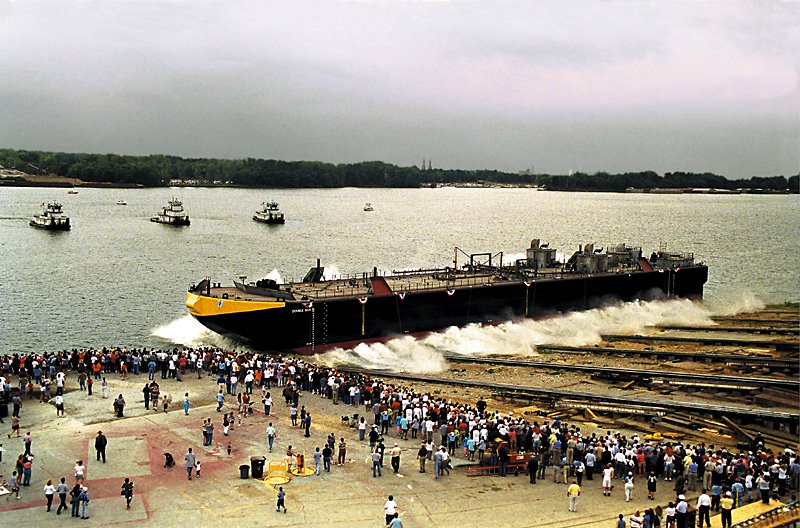
As part of Vane Brothers’ new vessel construction program, JeffBoat is contracted to build two 52,000-barrel, double-skin tank barges for coastal and inland services. One barge is earmarked for heavy fuel oil products and the other for light oil products.
1998
1993
2001
2003
PATAPSCO POWER
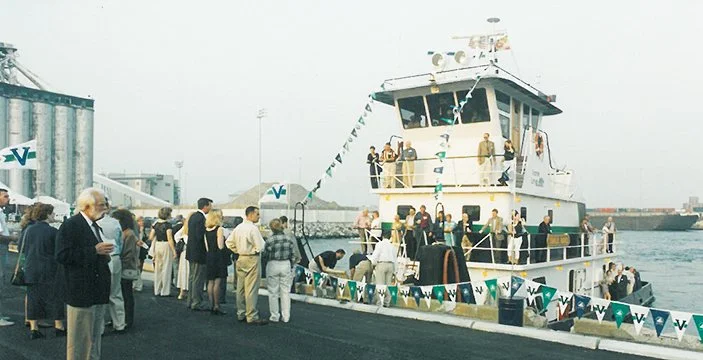
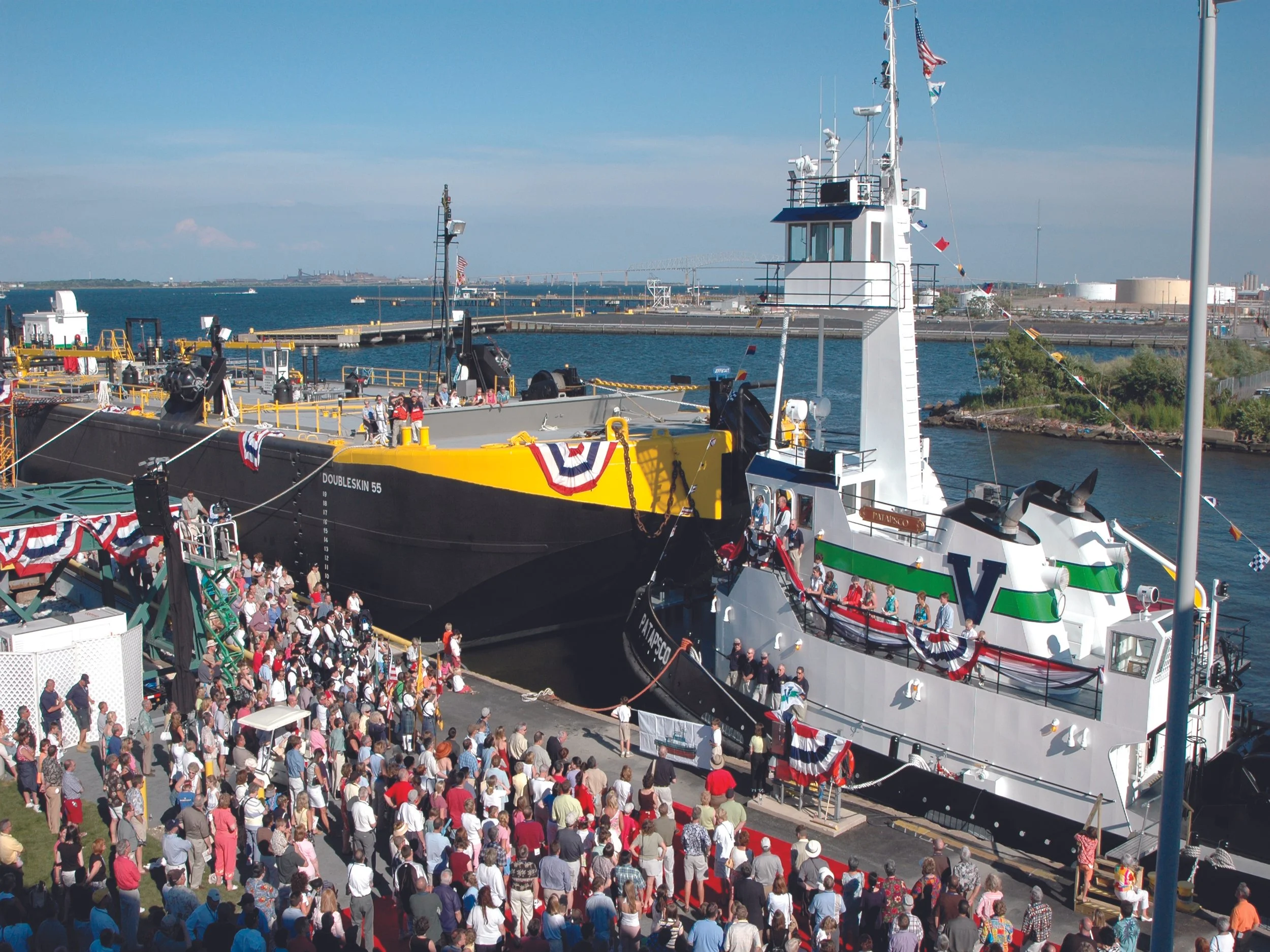
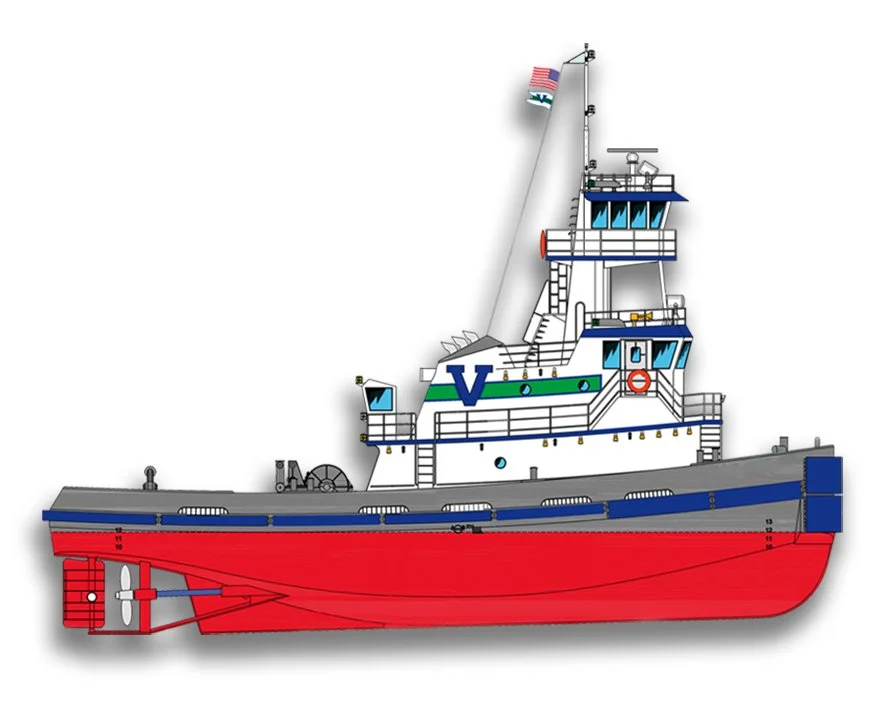
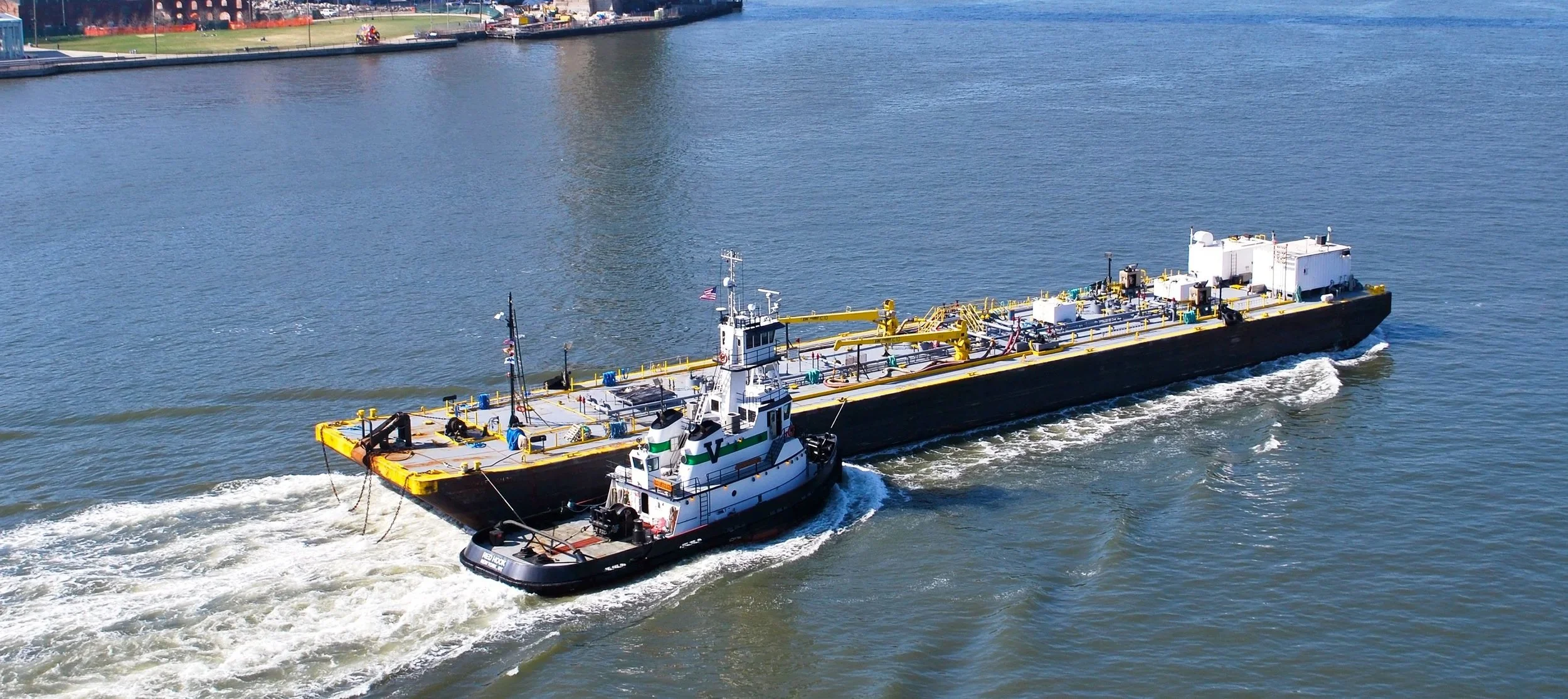
The company’s first 4,200-horsepower Patapsco Class tugboat is christened in Baltimore along with a 50,000-barrel barge. Three more Patapsco Class tugboats soon take shape while design and construction of the first of six 30,000-barrel barges also gets underway.
MORE PORTS, MORE POWER
Vane Brothers opens bunkering operations in New York and Charleston, South Carolina. The number of vessels added to the company’s fleet since the turn of the 21st century includes 26 barges, 26 tugboats, and two articulated tug and barge (ATB) units.
ATB EXCITEMENT
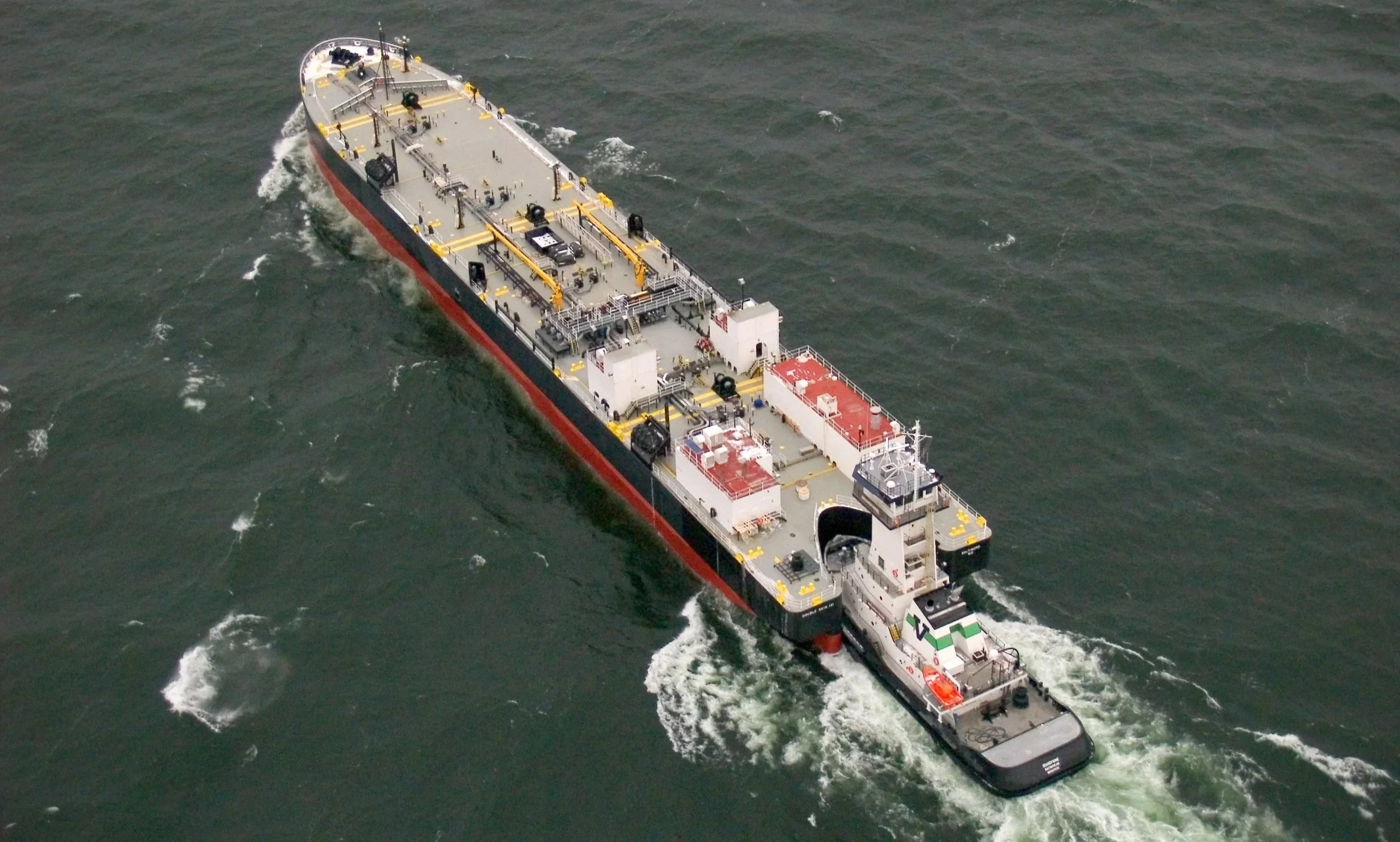
Vane Brothers takes delivery of its first articulated tug and barge unit, and a second soon follows. With 80 vessels in its fleet, the employee count climbs near 450. A highly efficient, web-based Scheduling and Integrated Logistics System (SAIL) is utilized to manage Vane's complex operations.
MARYLAND-BUILT TUGS
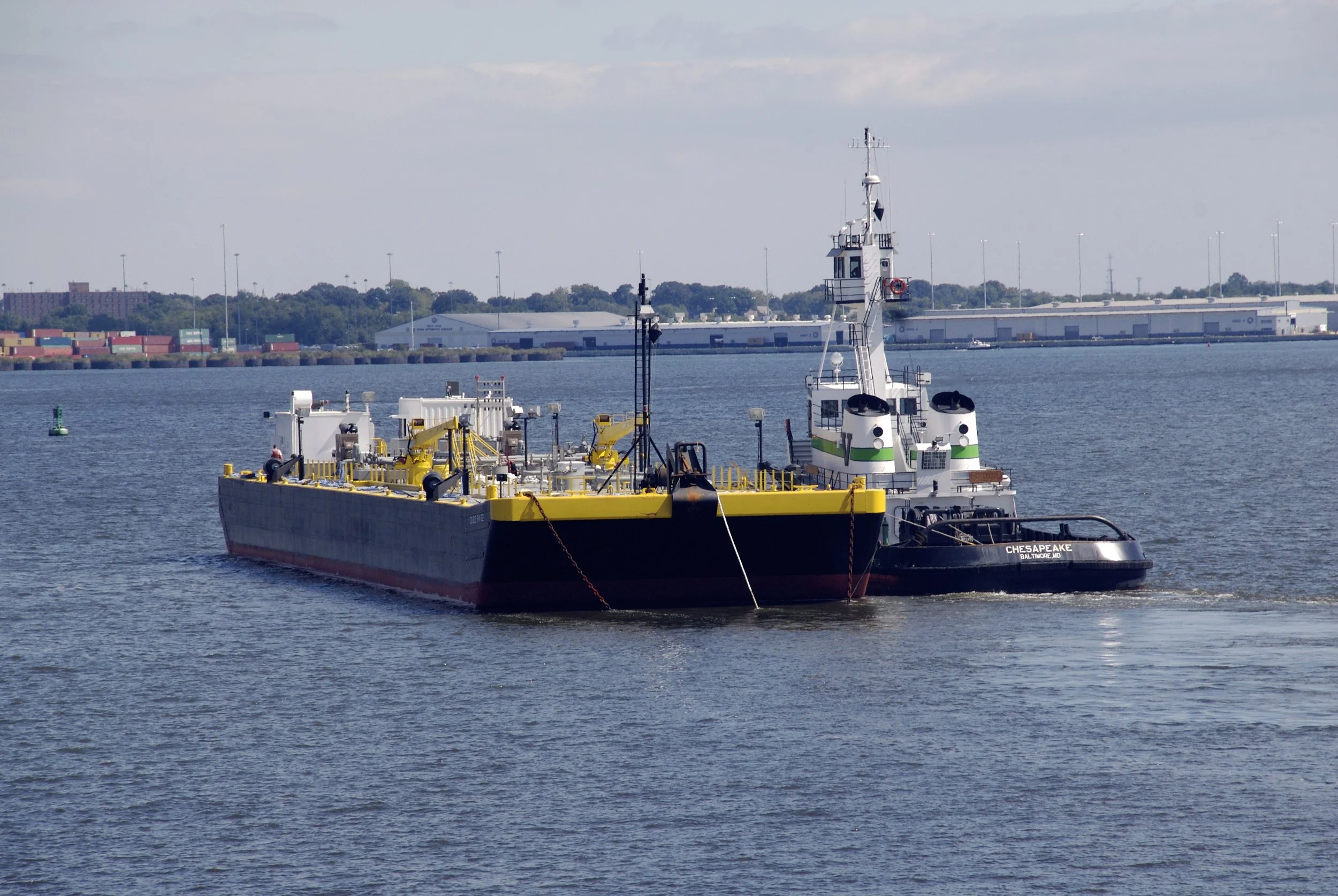
The tug Sassafras, delivered by Chesapeake Shipbuilding of Salisbury, is the first tugboat built in the state in more than 30 years and the first ocean-service tug constructed in the state in more than a half-century. Within a decade, the number of Sassafras Class tugs joining Vane reaches 14.
2007
2004
2008
2010
100 PERCENT DOUBLE HULLED
Vane Brothers' last remaining single-skin tank barge is officially retired, signaling the company's transition to a 100 percent double-hulled fleet. This occurs three years ahead of the deadline imposed throughout the industry as part of the Oil Pollution Act (OPA) of 1990.
THE NEXT ELIZABETH ANNE
The second Vane Brothers tugboat to be named Elizabeth Anne joins the fleet. The previous Elizabeth Anne, acquired in 1990, was donated in 2014 to the U.S. Merchant Marine Academy for use as a training vessel.
FLEET ACQUISITIONS
Vane Brothers acquires a fleet of ship bunkering equipment that serves Charleston, Savannah, and Jacksonville; four tugboats and five barges from a New York Harbor operation; and four vessels in Philadelphia. The company also prepares for the delivery of nine new barges.
ACADEMY TRIBUTES
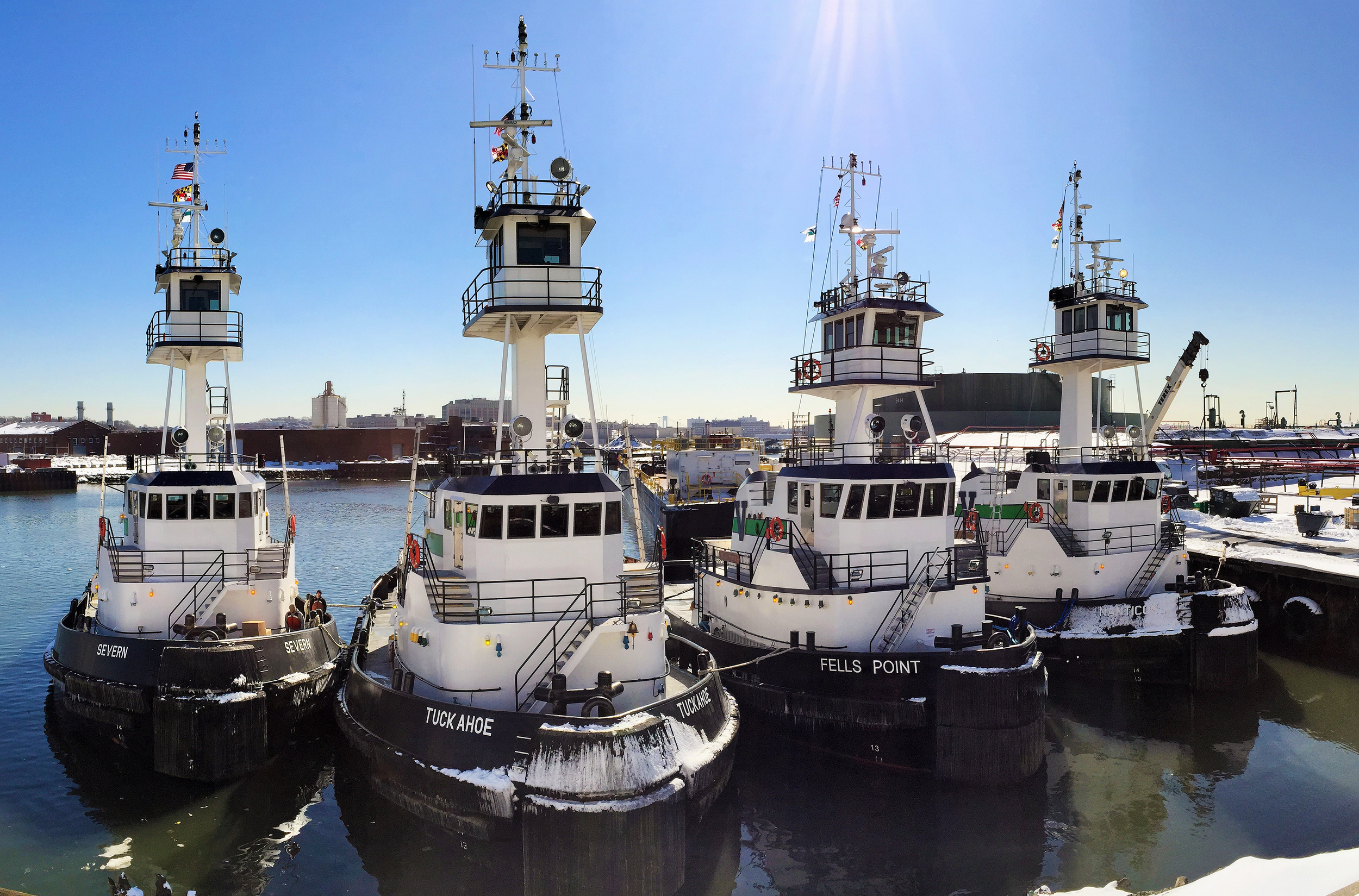
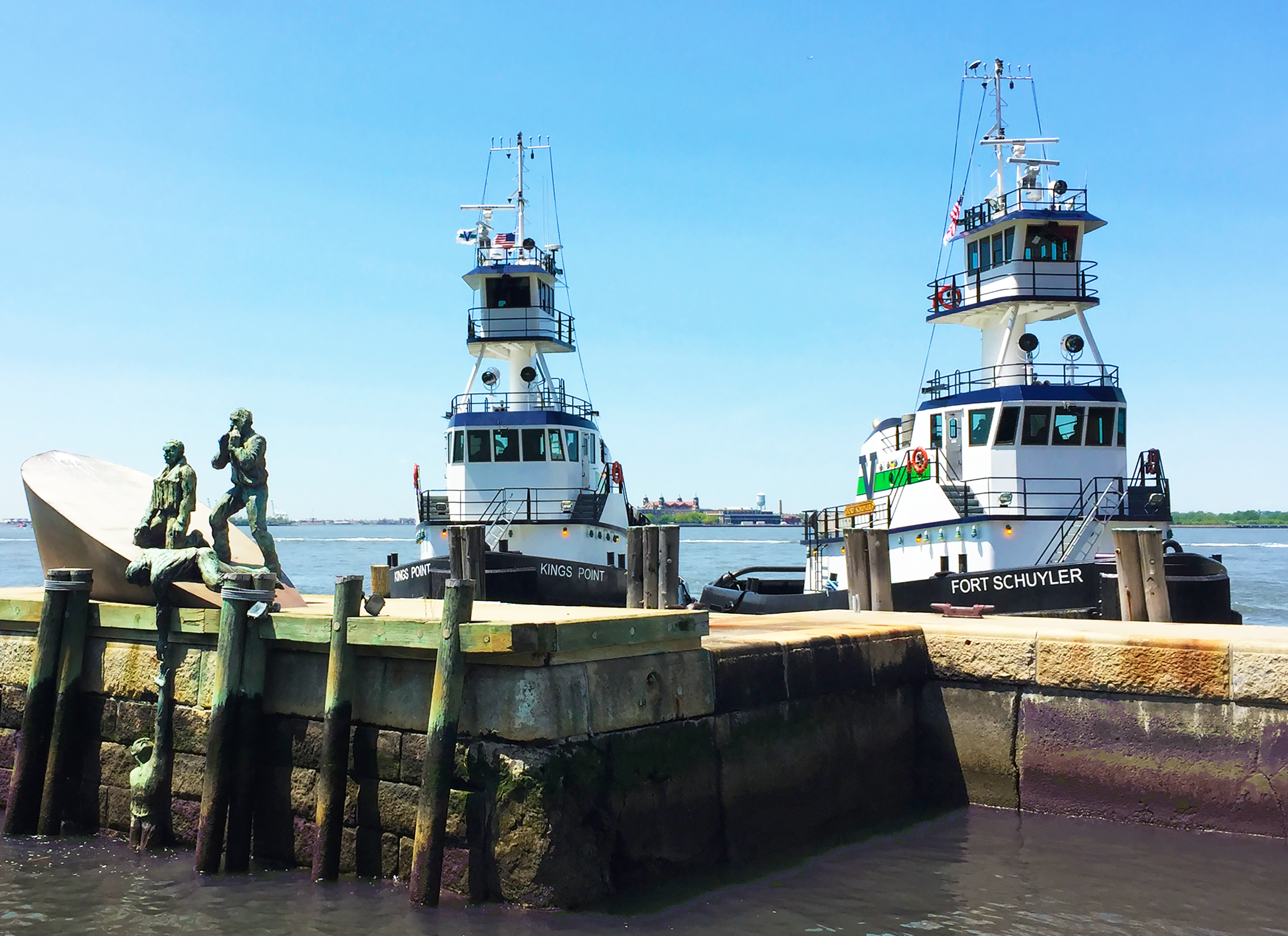
The 3,000-horsepower tugboats Kings Point and Fort Schuyler are delivered by Chesapeake Shipbuilding of Salisbury, Maryland. The tugs are named for the locations of the U.S. Merchant Marine Academy and SUNY Maritime, respectively.
2013
2012
2015
2016
WESTWARD, HO!
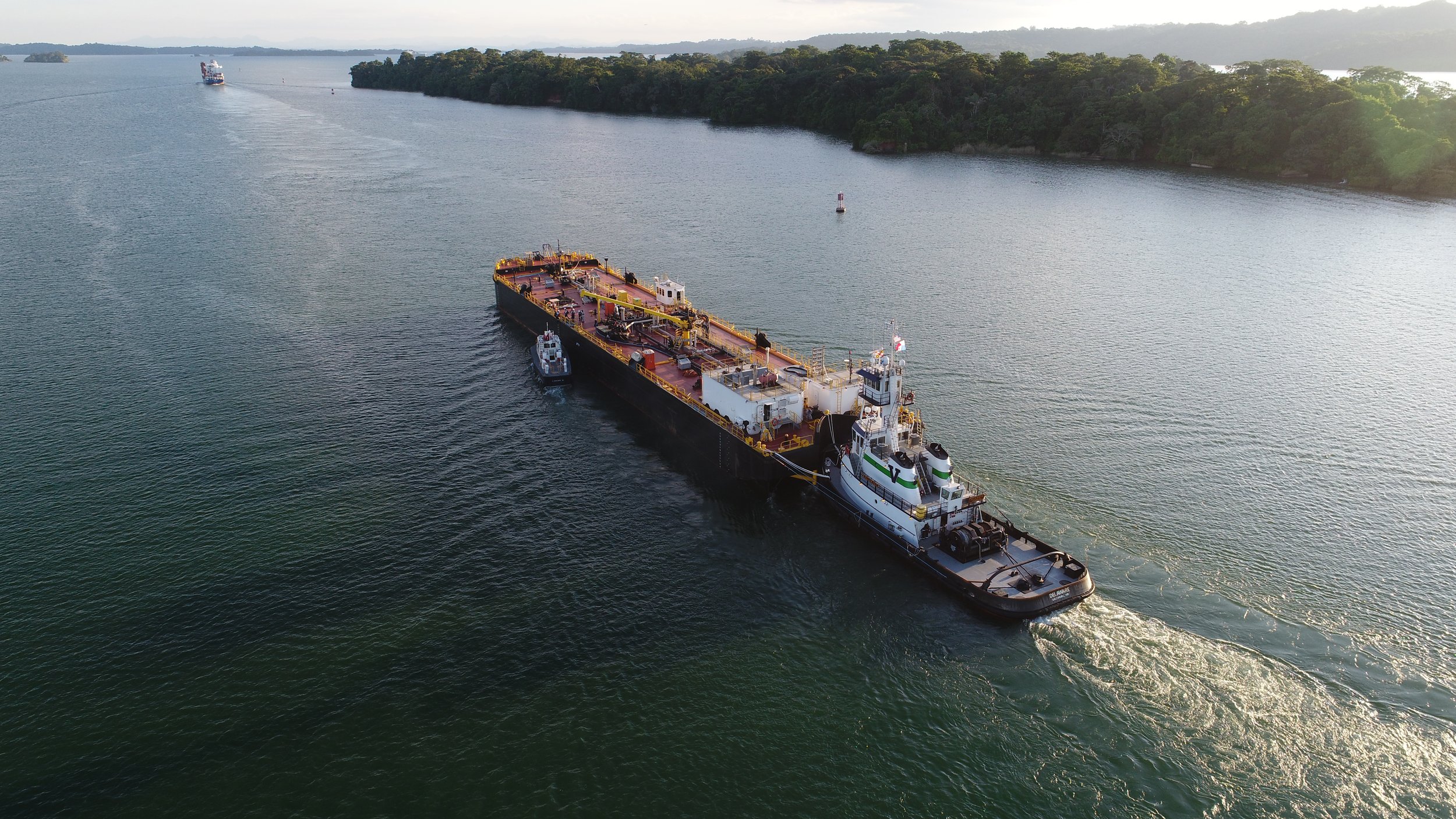
Well established on the U.S. East and Gulf coasts, Vane Brothers heads west. Company crews take tugs, barges and articulated tug/barge (ATB) units through the Panama Canal to begin providing ship-bunkering and dock-to-dock transfer services in California and Washington.
NORTH BORDER EXPANSION
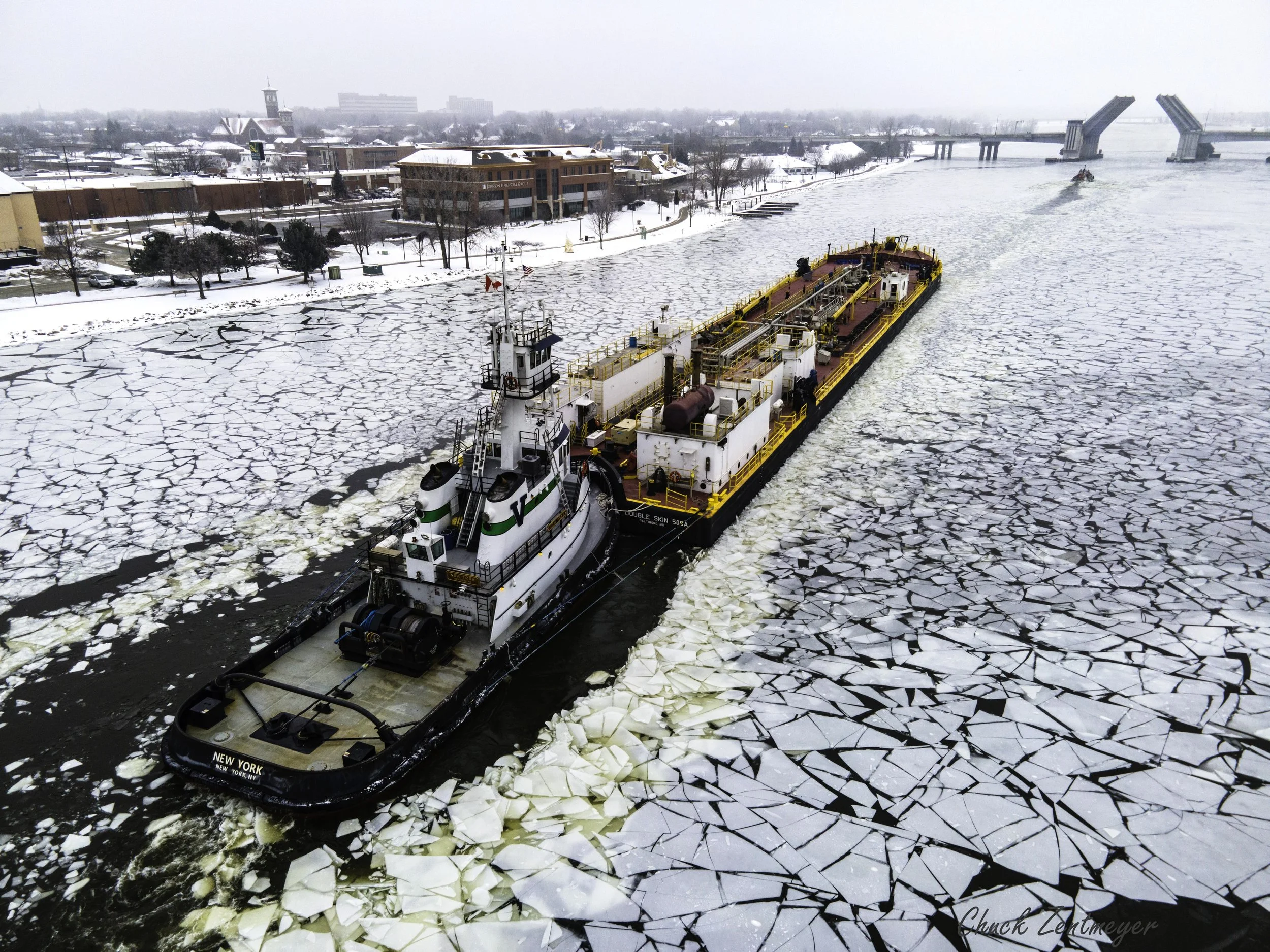
The tug New York and asphalt barge Double Skin 509A become the first Vane Brothers vessels to navigate the Great Lakes Region, with operations in both the United States and Canada.
2020
2018
Vane Brothers’ Video Series: 1898-2023
Vane Brothers, family-owned and founded in 19th-century Baltimore by Captains Burke and Allen Vane, began as a ship chandlery and grew into a leading marine transportation provider operating on the U.S. East, West and Gulf coasts, the Great Lakes, and the Caribbean. You can learn more by watching a series of short videos produced during the company’s 125th anniversary in 2023.